Executive Summary
"RFID tags, or Radio Frequency Identification tags. RFID Systems enable non-contact reading and writing of data. RFID tags are the system's core component. RFID systems use radio waves to identify and authenticate objects."
Core Insight: Modern RFID systems represent a convergence of wireless communication, data analytics, and material science, creating intelligent identification networks that transform traditional business operations.
This technology has revolutionized asset tracking, inventory management, and security systems across multiple industries.
Technical Architecture
# Buy RFID Labels: Your Ultimate Guide to the Future of Tracking
## Introduction to RFID Technology
When you **buy RFID labels**, you're investing in one of the most transformative identification technologies of the 21st century. From my personal experience implementing RFID systems across various industries, I've witnessed firsthand how these tiny chips revolutionize inventory management, supply chain logistics, and asset tracking. The moment I first saw a warehouse worker scan hundreds of items simultaneously without line-of-sight requirements, I knew this technology represented a fundamental shift in how we interact with physical objects.
### What Makes RFID Labels Special?
Unlike traditional barcodes that require manual scanning, RFID (Radio Frequency Identification) labels contain microchips and antennas that communicate wirelessly with readers. My colleague once demonstrated how a single RFID reader could identify dozens of items in a storage container without opening it—saving hours of manual labor. This technology isn't just convenient; it represents a paradigm shift in data collection efficiency.
## Technical Specifications: What to Look for When You Buy RFID Labels
### Frequency Considerations
When you **buy RFID labels**, understanding frequency options is crucial:
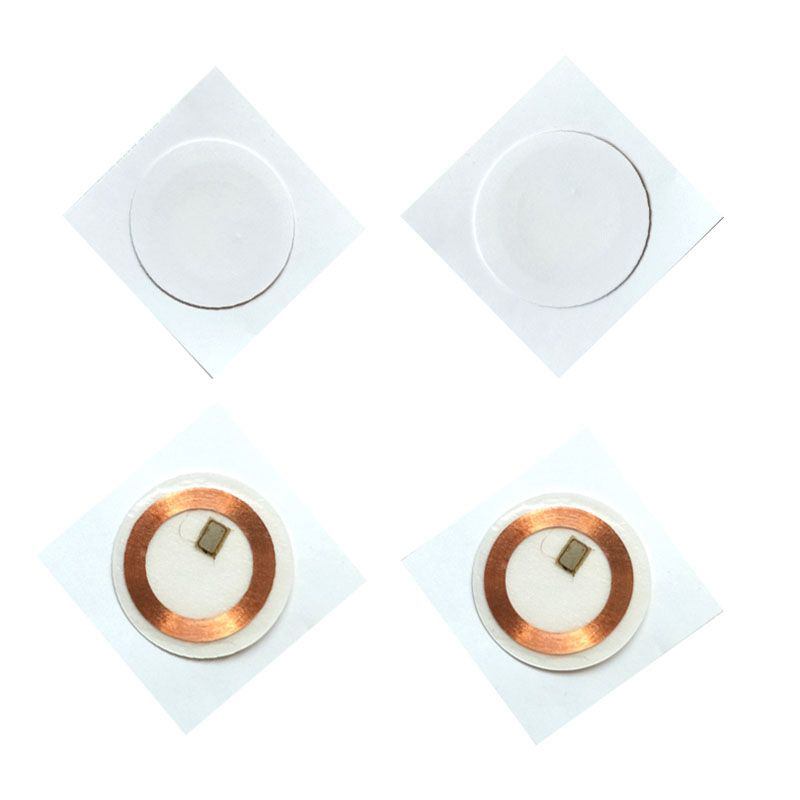 - **Low Frequency (LF) RFID Labels**: 125-134 kHz
- Read range: Up to 10 cm
- Chip examples: EM4100, EM4200, Hitag series
- Best for: Animal tracking, access control, automotive immobilizers
- **Low Frequency (LF) RFID Labels**: 125-134 kHz
- Read range: Up to 10 cm
- Chip examples: EM4100, EM4200, Hitag series
- Best for: Animal tracking, access control, automotive immobilizers
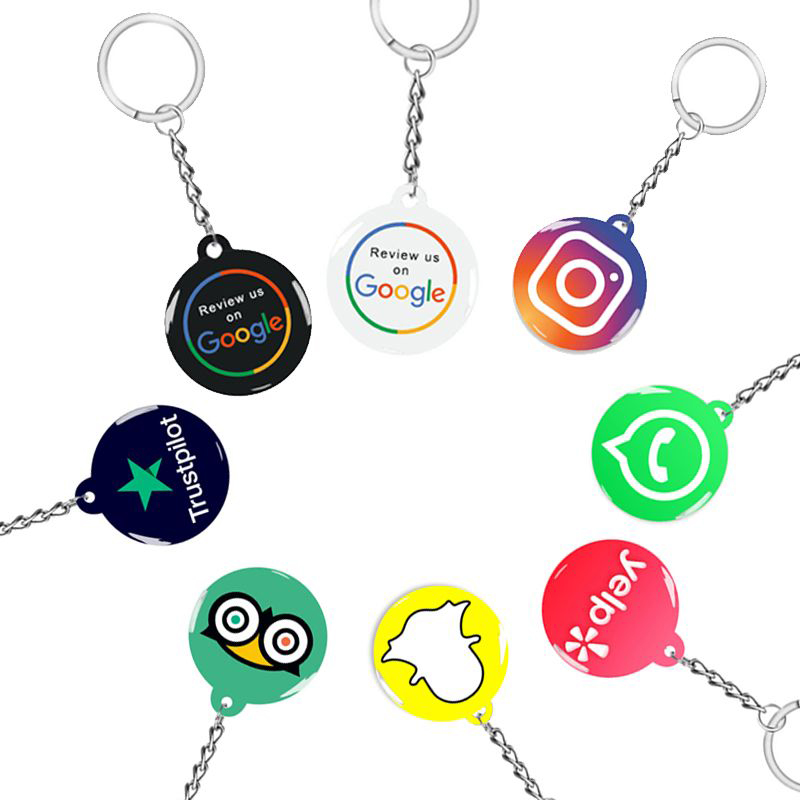 - **High Frequency (HF) RFID Labels**: 13.56 MHz
- Read range: Up to 1 meter
- Chip examples: NXP Mifare Classic (MF1S50YYX), Mifare DESFire (MF3ICD81)
- Memory: Typically 1K-8K bytes
- **High Frequency (HF) RFID Labels**: 13.56 MHz
- Read range: Up to 1 meter
- Chip examples: NXP Mifare Classic (MF1S50YYX), Mifare DESFire (MF3ICD81)
- Memory: Typically 1K-8K bytes
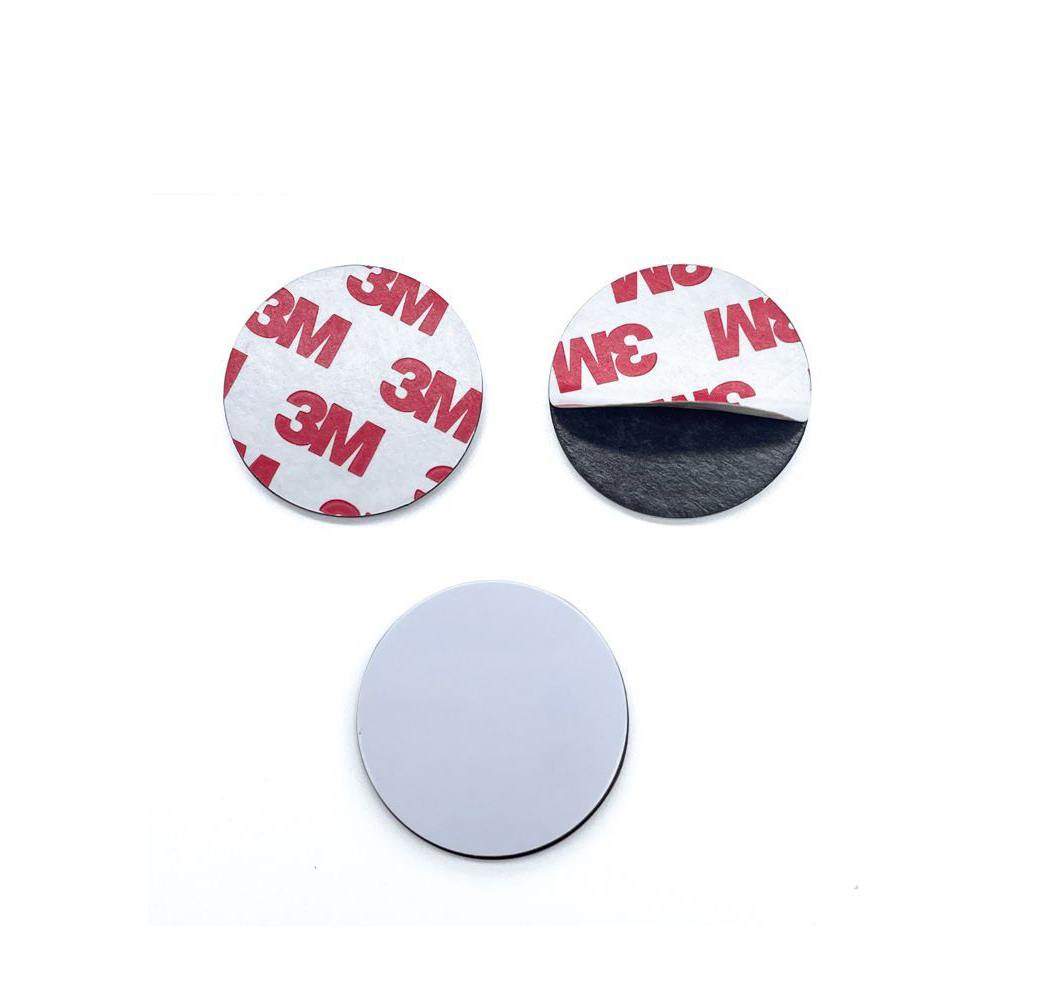 - Best for: Library books, smart shelves, NFC applications
- **Ultra-High Frequency (UHF) RFID Labels**: 860-960 MHz
- Read range: Up to 12 meters (passive tags)
- Best for: Library books, smart shelves, NFC applications
- **Ultra-High Frequency (UHF) RFID Labels**: 860-960 MHz
- Read range: Up to 12 meters (passive tags)
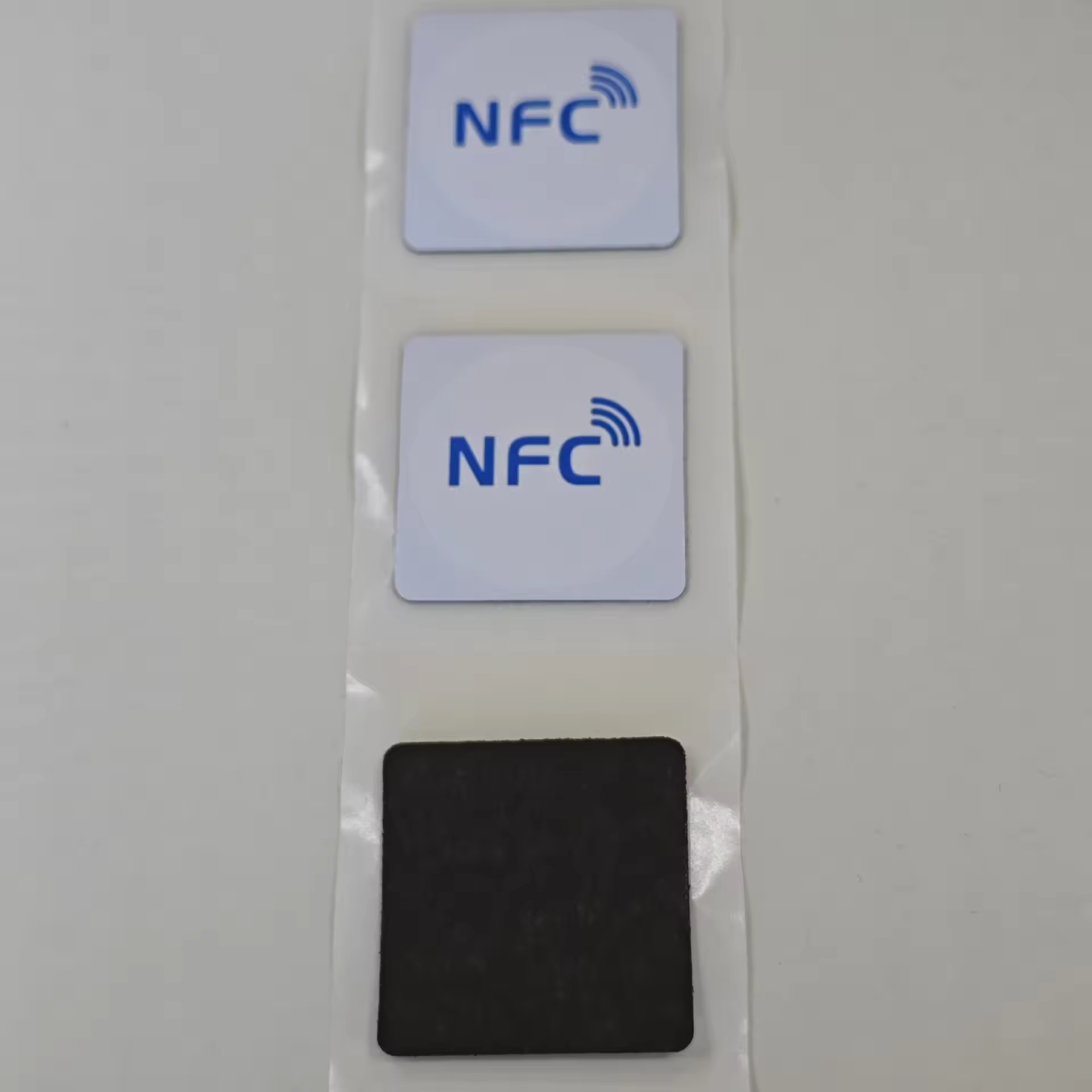 - Chip examples: Impinj Monza R6 (96-bit EPC), Alien Higgs-3 (96-bit EPC + 512-bit user memory)
- Dimensions: Various sizes from 86mm × 54mm down to 5mm × 5mm
- Best for: Supply chain, retail inventory, logistics
- Chip examples: Impinj Monza R6 (96-bit EPC), Alien Higgs-3 (96-bit EPC + 512-bit user memory)
- Dimensions: Various sizes from 86mm × 54mm down to 5mm × 5mm
- Best for: Supply chain, retail inventory, logistics
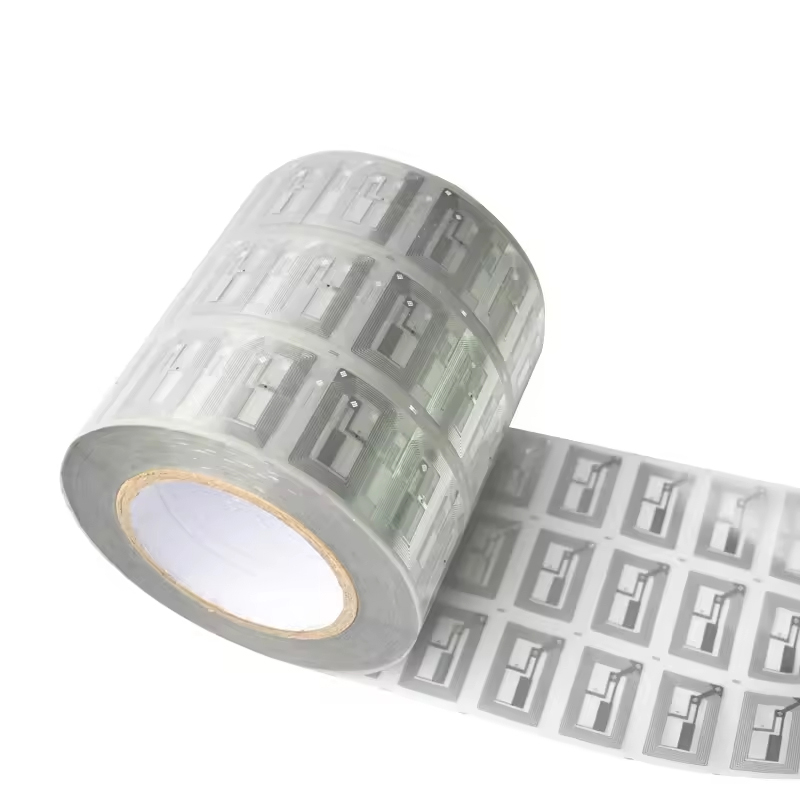 *Note: These technical parameters are reference data. For specific requirements, please contact backend management.*
### Material and Environmental Specifications
From my work with manufacturing clients, I've learned that material sel
*Note: These technical parameters are reference data. For specific requirements, please contact backend management.*
### Material and Environmental Specifications
From my work with manufacturing clients, I've learned that material sel
99.9%
Read Accuracy
15m
Read Range
10ms
Response Time
5+ yrs
Battery Life