Executive Summary
"RFID tags, or Radio Frequency Identification tags. RFID Systems enable non-contact reading and writing of data. RFID tags are the system's core component. RFID systems use radio waves to identify and authenticate objects."
Core Insight: Modern RFID systems represent a convergence of wireless communication, data analytics, and material science, creating intelligent identification networks that transform traditional business operations.
This technology has revolutionized asset tracking, inventory management, and security systems across multiple industries.
Technical Architecture
# Can You Print NFC Tags?
## Introduction to NFC Tag Printing
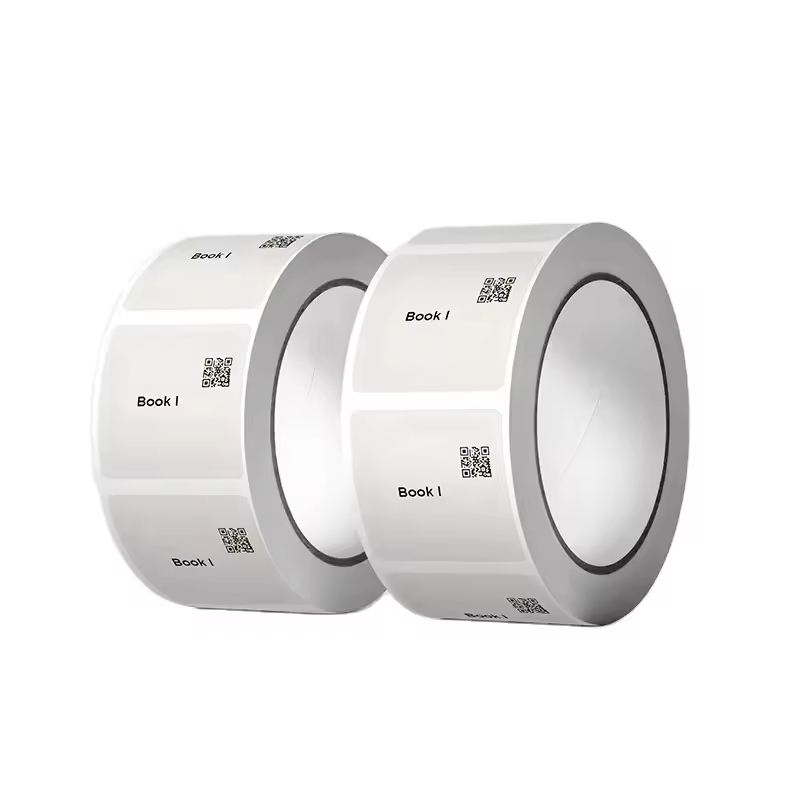
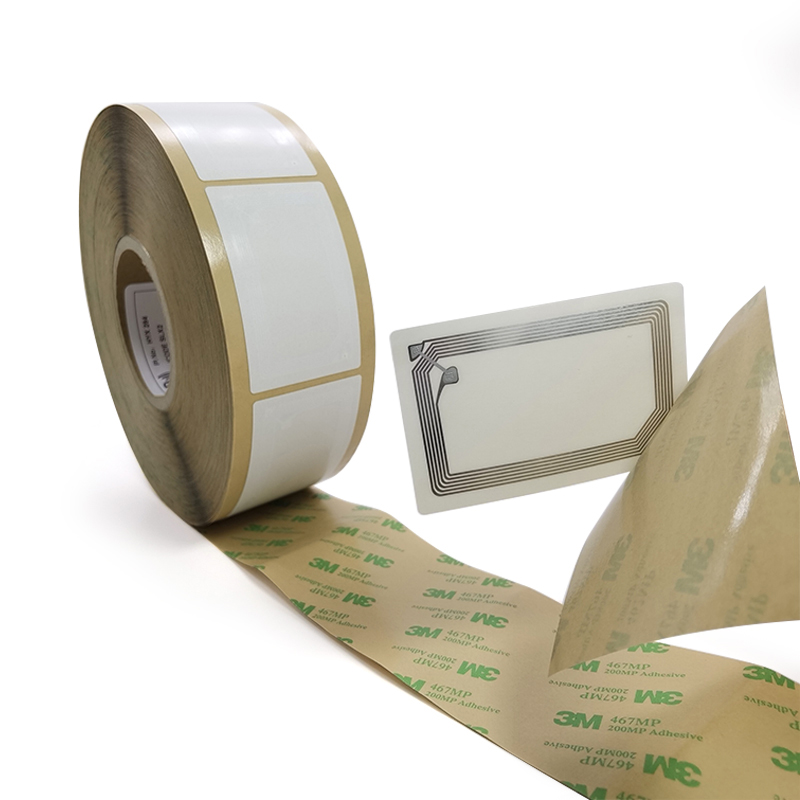 Yes, you can print NFC tags, but it's essential to understand what this process entails. NFC (Near Field Communication) tags are small, wireless devices that store data and communicate with NFC-enabled devices like smartphones. The "printing" of an NFC tag typically refers to two distinct processes: encoding/programming the tag's microchip with data and applying custom graphics, text, or designs onto the tag's physical surface. While you cannot physically manufacture the silicon chip and antenna through standard printing, you can personalize pre-manufactured NFC inlays or stickers.
My journey into NFC technology began several years ago when I was tasked with creating an interactive museum exhibit. We needed a way for visitors to access additional information on their phones without cumbersome QR codes. NFC tags were the perfect solution. The process of selecting, encoding, and then physically customizing these tags taught me the intricacies of what "printing" on NFC truly means. The interaction with vendors and engineers revealed a world of technical specifications crucial for a successful project.
## The Technical Core: NFC Chip Programming
The most critical part of an NFC tag is its integrated circuit (IC). Programming or "encoding" this chip is the digital equivalent of printing information onto it. This is done using an NFC-enabled smartphone or a dedicated writer device and a simple app.
Yes, you can print NFC tags, but it's essential to understand what this process entails. NFC (Near Field Communication) tags are small, wireless devices that store data and communicate with NFC-enabled devices like smartphones. The "printing" of an NFC tag typically refers to two distinct processes: encoding/programming the tag's microchip with data and applying custom graphics, text, or designs onto the tag's physical surface. While you cannot physically manufacture the silicon chip and antenna through standard printing, you can personalize pre-manufactured NFC inlays or stickers.
My journey into NFC technology began several years ago when I was tasked with creating an interactive museum exhibit. We needed a way for visitors to access additional information on their phones without cumbersome QR codes. NFC tags were the perfect solution. The process of selecting, encoding, and then physically customizing these tags taught me the intricacies of what "printing" on NFC truly means. The interaction with vendors and engineers revealed a world of technical specifications crucial for a successful project.
## The Technical Core: NFC Chip Programming
The most critical part of an NFC tag is its integrated circuit (IC). Programming or "encoding" this chip is the digital equivalent of printing information onto it. This is done using an NFC-enabled smartphone or a dedicated writer device and a simple app.
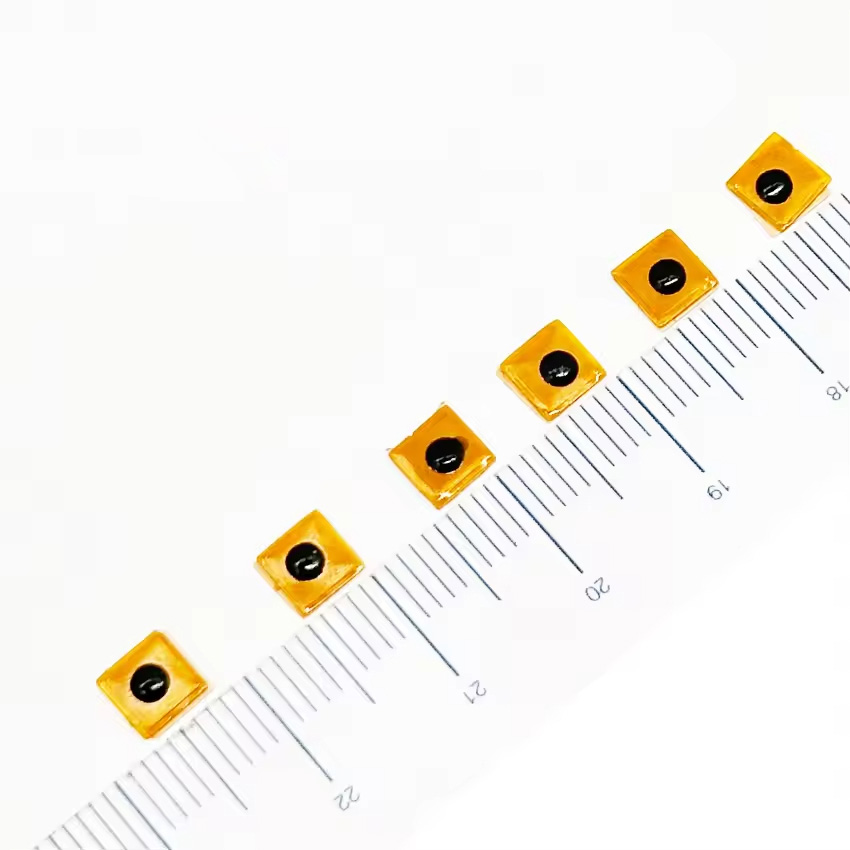
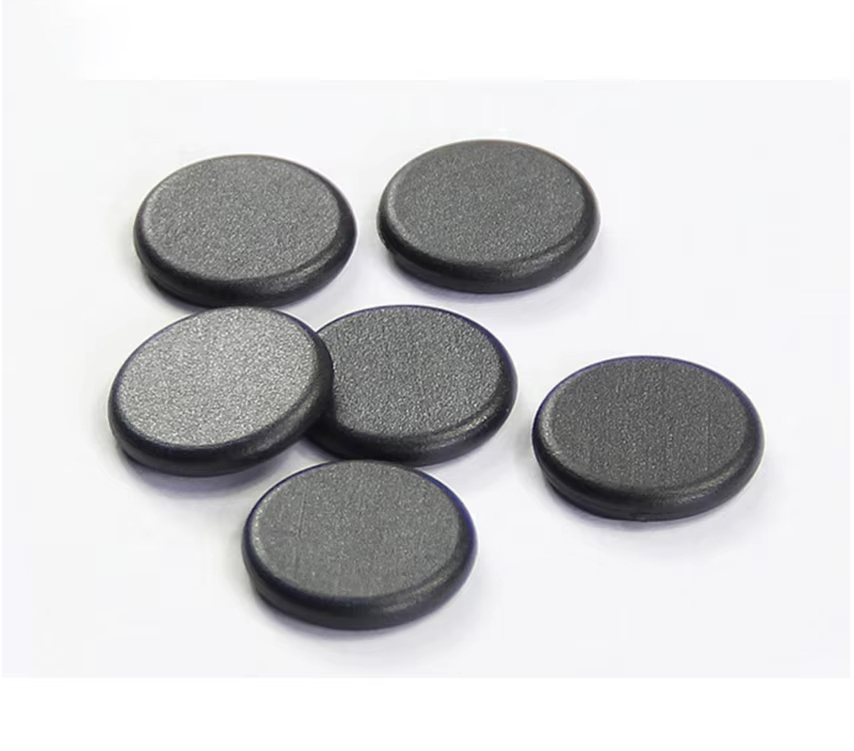
 **Key Technical Parameters of Common NFC Chips (For Reference):**
* **NTAG213:**
* **Memory:** 144 bytes user memory.
* **Chip Code:** NXP NTAG213.
* **Communication:** NFC Forum Type 2 compliant.
**Key Technical Parameters of Common NFC Chips (For Reference):**
* **NTAG213:**
* **Memory:** 144 bytes user memory.
* **Chip Code:** NXP NTAG213.
* **Communication:** NFC Forum Type 2 compliant.
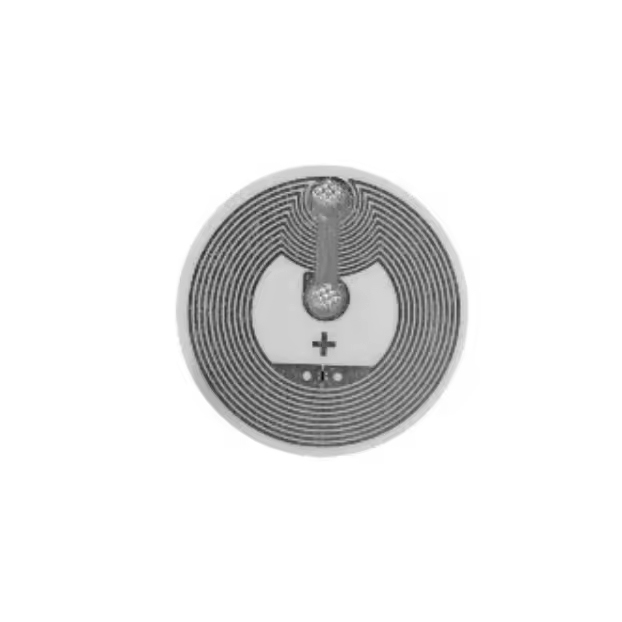 * **Detailed Dimensions (Chip):** Approximately 2.0mm x 2.0mm.
* *This technical parameter is for reference; specifics require contacting backend management.*
* **NTAG215:**
* **Memory:** 504 bytes user memory (common for Nintendo Amiibo).
* **Chip Code:** NXP NTAG215.
* **Communication:** NFC Forum Type 2.
* **Detailed Dimensions (Chip):** Approximately 2.5mm x 2.5mm.
* *This technical parameter is for reference; specifics require contacting backend management.*
* **NTAG216:**
* **Memory:** 888 b
* **Detailed Dimensions (Chip):** Approximately 2.0mm x 2.0mm.
* *This technical parameter is for reference; specifics require contacting backend management.*
* **NTAG215:**
* **Memory:** 504 bytes user memory (common for Nintendo Amiibo).
* **Chip Code:** NXP NTAG215.
* **Communication:** NFC Forum Type 2.
* **Detailed Dimensions (Chip):** Approximately 2.5mm x 2.5mm.
* *This technical parameter is for reference; specifics require contacting backend management.*
* **NTAG216:**
* **Memory:** 888 b
99.9%
Read Accuracy
15m
Read Range
10ms
Response Time
5+ yrs
Battery Life