Executive Summary
"RFID tags, or Radio Frequency Identification tags. RFID Systems enable non-contact reading and writing of data. RFID tags are the system's core component. RFID systems use radio waves to identify and authenticate objects."
Core Insight: Modern RFID systems represent a convergence of wireless communication, data analytics, and material science, creating intelligent identification networks that transform traditional business operations.
This technology has revolutionized asset tracking, inventory management, and security systems across multiple industries.
Technical Architecture
# RFID Labels for Apparel: Revolutionizing Fashion Retail
 ## Introduction to RFID Labels for Apparel
 The fashion industry is undergoing a digital transformation, and at the heart of this change are **RFID labels for apparel**. These tiny, intelligent tags are reshaping how retailers manage inventory, engage with customers, and streamline operations. From high-end boutiques to global fast-fashion chains, **RFID labels for apparel** are becoming an indispensable tool. I recall visiting a major retailer's distribution center a few years ago and witnessing the manual, time-consuming process of inventory counting. The shift to an RFID-enabled system was not just an upgrade; it was a revelation in efficiency and accuracy.
## How RFID Technology Works in Apparel Labeling
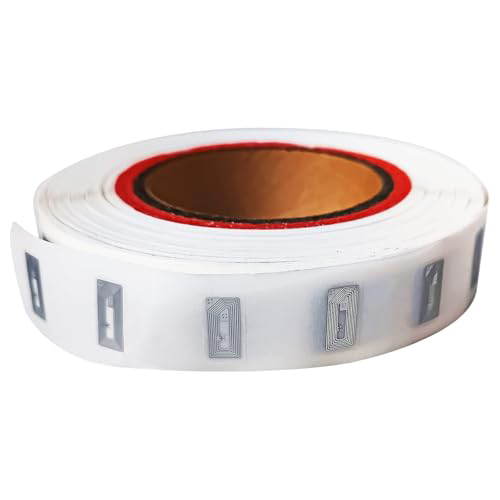
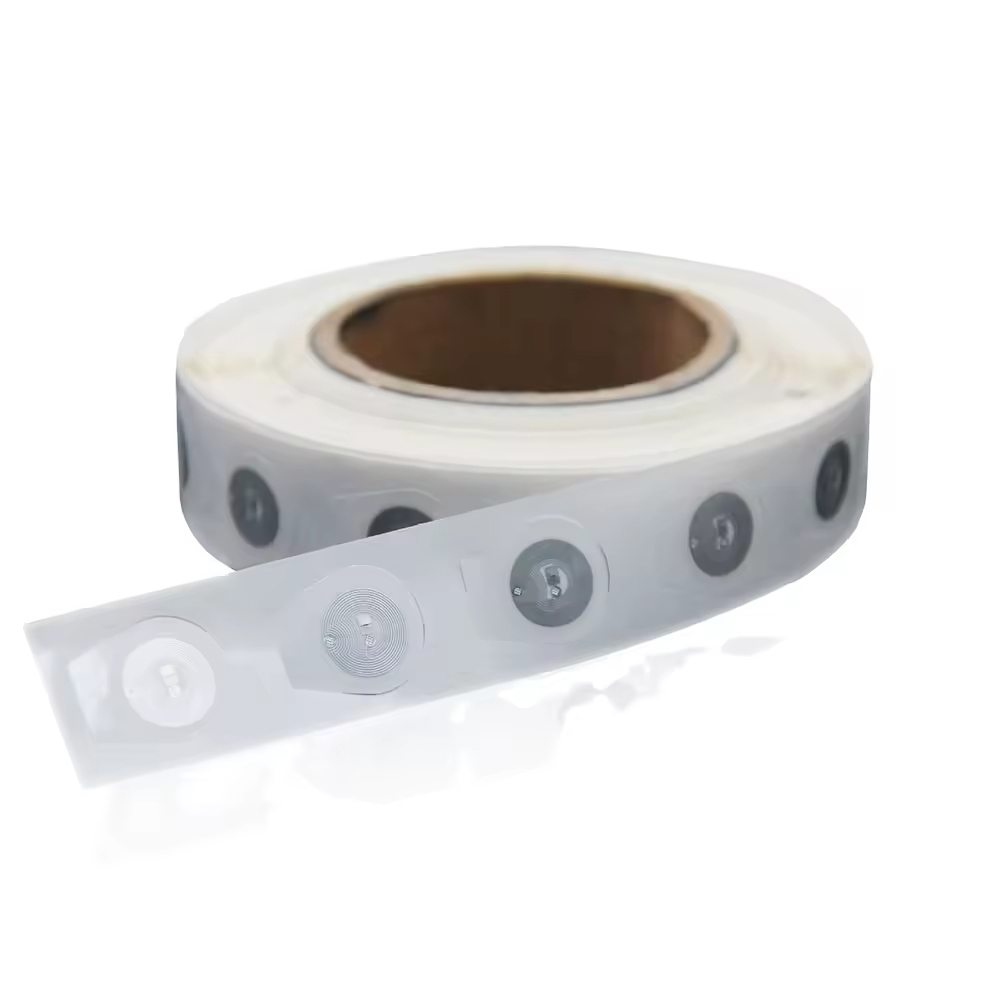
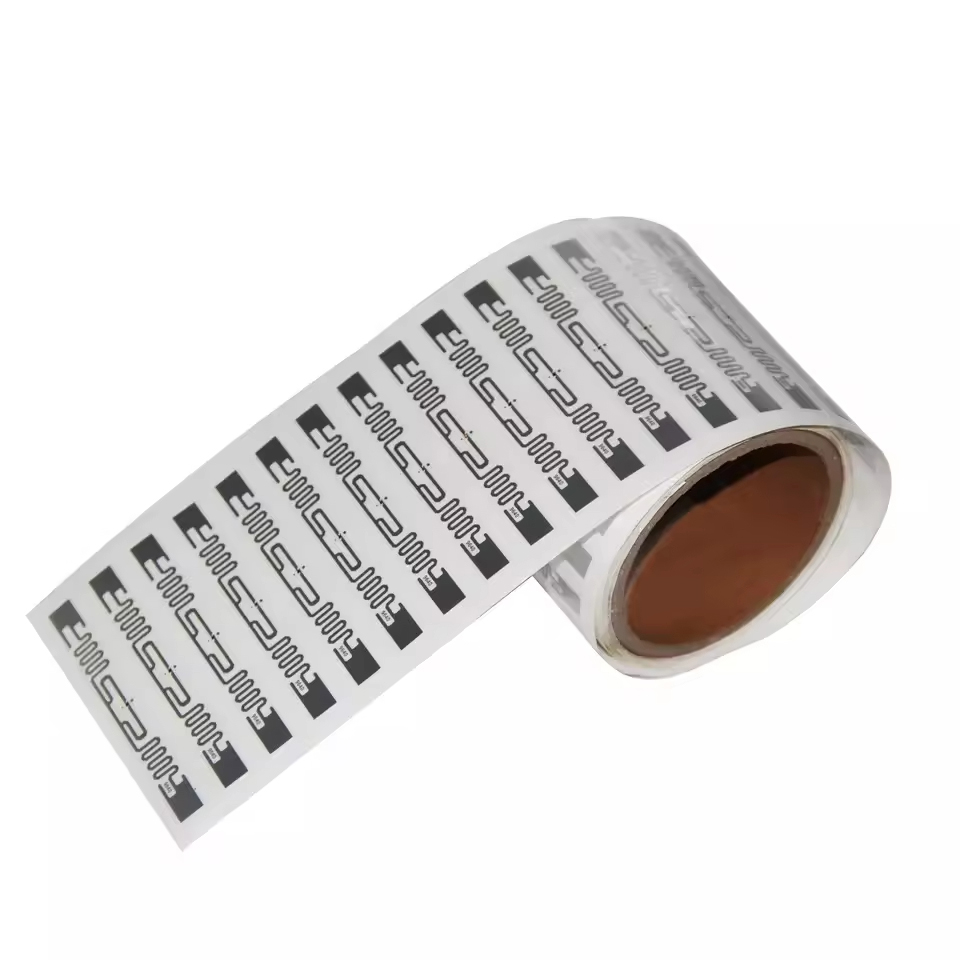
**RFID labels for apparel** consist of a microchip and an antenna embedded within a label or tag attached to clothing items. Unlike traditional barcodes that require line-of-sight scanning, RFID uses radio waves to transmit data wirelessly to a reader. This allows for multiple items to be scanned simultaneously—even through packaging or when items are stacked. A common chip used in these applications is the NXP UCODE 8, which operates at the UHF frequency of 860-960 MHz and offers a read range of up to 10 meters. The labels themselves are often designed to be wash-resistant and durable, integrated seamlessly into care labels or hangtags.
* **Technical Parameters (For Reference):**
* **Chip Type:** NXP UCODE 8
* **Frequency:** UHF 860-960 MHz
The fashion industry is undergoing a digital transformation, and at the heart of this change are **RFID labels for apparel**. These tiny, intelligent tags are reshaping how retailers manage inventory, engage with customers, and streamline operations. From high-end boutiques to global fast-fashion chains, **RFID labels for apparel** are becoming an indispensable tool. I recall visiting a major retailer's distribution center a few years ago and witnessing the manual, time-consuming process of inventory counting. The shift to an RFID-enabled system was not just an upgrade; it was a revelation in efficiency and accuracy.
## How RFID Technology Works in Apparel Labeling
**RFID labels for apparel** consist of a microchip and an antenna embedded within a label or tag attached to clothing items. Unlike traditional barcodes that require line-of-sight scanning, RFID uses radio waves to transmit data wirelessly to a reader. This allows for multiple items to be scanned simultaneously—even through packaging or when items are stacked. A common chip used in these applications is the NXP UCODE 8, which operates at the UHF frequency of 860-960 MHz and offers a read range of up to 10 meters. The labels themselves are often designed to be wash-resistant and durable, integrated seamlessly into care labels or hangtags.
* **Technical Parameters (For Reference):**
* **Chip Type:** NXP UCODE 8
* **Frequency:** UHF 860-960 MHz
 * **Protocol:** EPCglobal UHF Class 1 Gen 2
* **Memory:** 128-bit EPC, 96-bit TID, User memory optional
* **Read Range:** Up to 10 meters (dependent on reader and environment)
* **Label Size:** Common sizes include 50mm x 15mm or 100mm x 20mm, but fully customizable.
* **Inlay Code:** Example - Alien Technology ALN-9640 Squiggle Inlay.
* **Protocol:** EPCglobal UHF Class 1 Gen 2
* **Memory:** 128-bit EPC, 96-bit TID, User memory optional
* **Read Range:** Up to 10 meters (dependent on reader and environment)
* **Label Size:** Common sizes include 50mm x 15mm or 100mm x 20mm, but fully customizable.
* **Inlay Code:** Example - Alien Technology ALN-9640 Squiggle Inlay.
 * *Note: These technical parameters are for reference. Specific requirements and custom solutions should be discussed with our backend management team.*
 ## The Multifaceted Benefits for Retailers and Brands
### 1. Inventory Management Precision
The primary superpower of **RFID labels for apparel** is real-time, accu
## The Multifaceted Benefits for Retailers and Brands
### 1. Inventory Management Precision
The primary superpower of **RFID labels for apparel** is real-time, accu
99.9%
Read Accuracy
15m
Read Range
10ms
Response Time
5+ yrs
Battery Life