# Luggage Labels: The Future of Travel with RFID and NFC Technology
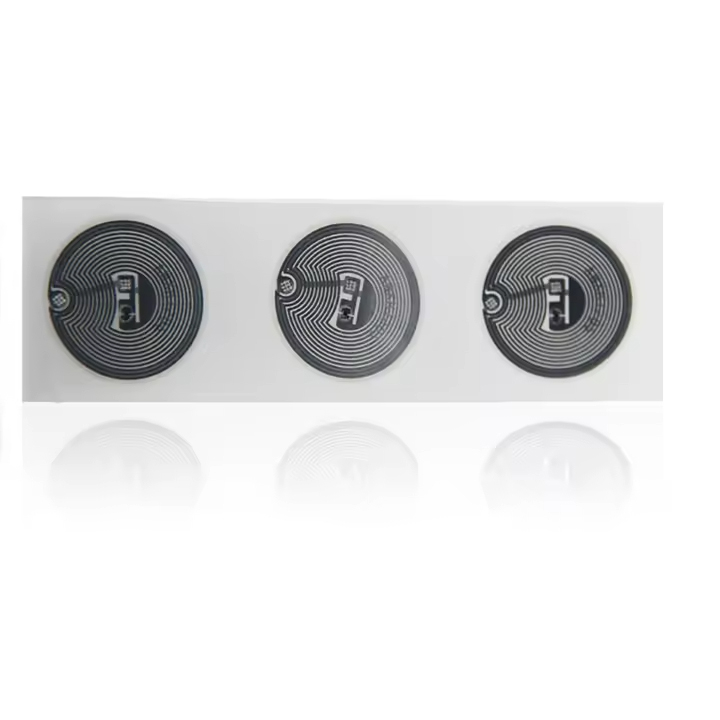 ## Introduction to Modern Luggage Labels
Luggage labels have evolved significantly from simple paper tags to sophisticated tracking devices. In today's fast-paced travel environment, losing luggage can disrupt entire trips and cause considerable stress. I remember my trip to Singapore last year when my suitcase didn't arrive with me - the anxiety of not knowing where my belongings were lasted for three days until the airline located them in a different country. This personal experience made me appreciate how technology could transform something as basic as luggage identification.
## How RFID Luggage Labels Work
RFID (Radio Frequency Identification) luggage labels contain tiny chips that communicate with readers through radio waves. Unlike traditional barcode labels that require line-of-sight scanning, RFID tags can be read from a distance and through various materials. During my visit to Hong Kong International Airport, I observed how baggage handlers quickly processed hundreds of suitcases equipped with RFID labels - the efficiency was remarkable compared to manual scanning methods I'd seen elsewhere.
## Introduction to Modern Luggage Labels
Luggage labels have evolved significantly from simple paper tags to sophisticated tracking devices. In today's fast-paced travel environment, losing luggage can disrupt entire trips and cause considerable stress. I remember my trip to Singapore last year when my suitcase didn't arrive with me - the anxiety of not knowing where my belongings were lasted for three days until the airline located them in a different country. This personal experience made me appreciate how technology could transform something as basic as luggage identification.
## How RFID Luggage Labels Work
RFID (Radio Frequency Identification) luggage labels contain tiny chips that communicate with readers through radio waves. Unlike traditional barcode labels that require line-of-sight scanning, RFID tags can be read from a distance and through various materials. During my visit to Hong Kong International Airport, I observed how baggage handlers quickly processed hundreds of suitcases equipped with RFID labels - the efficiency was remarkable compared to manual scanning methods I'd seen elsewhere.
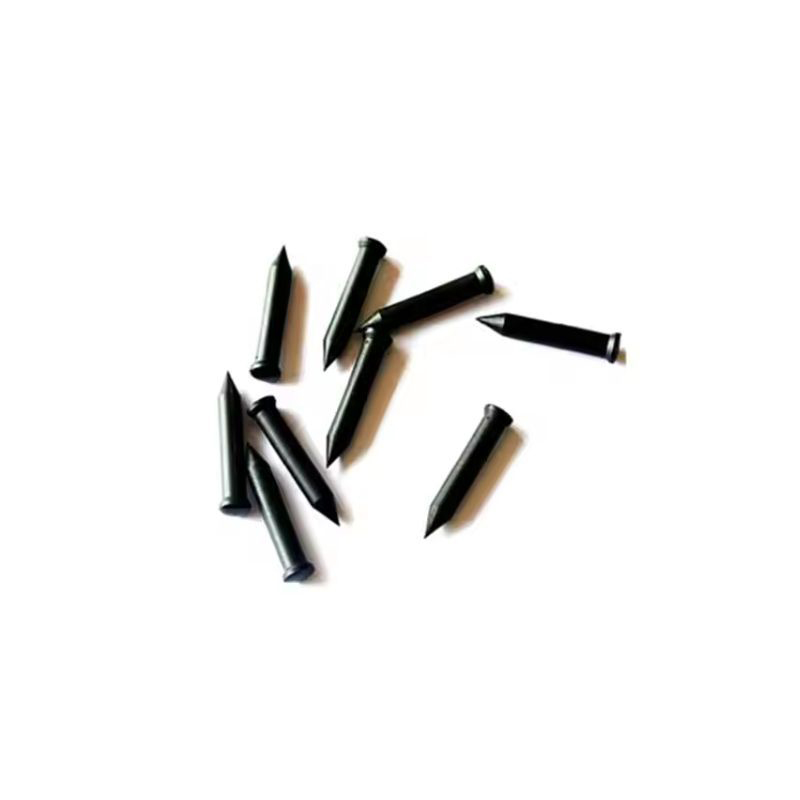 ### Technical Specifications of RFID Luggage Labels
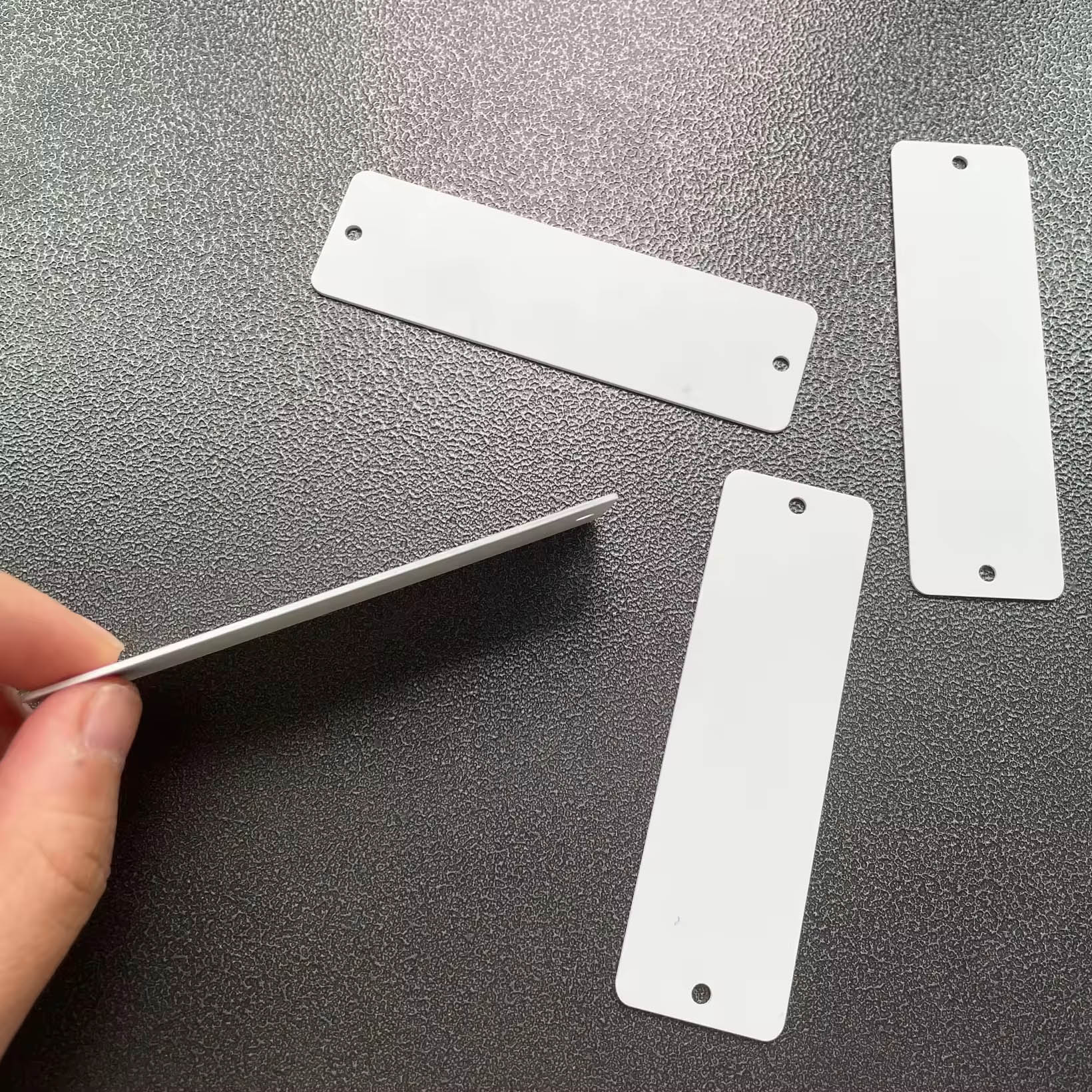
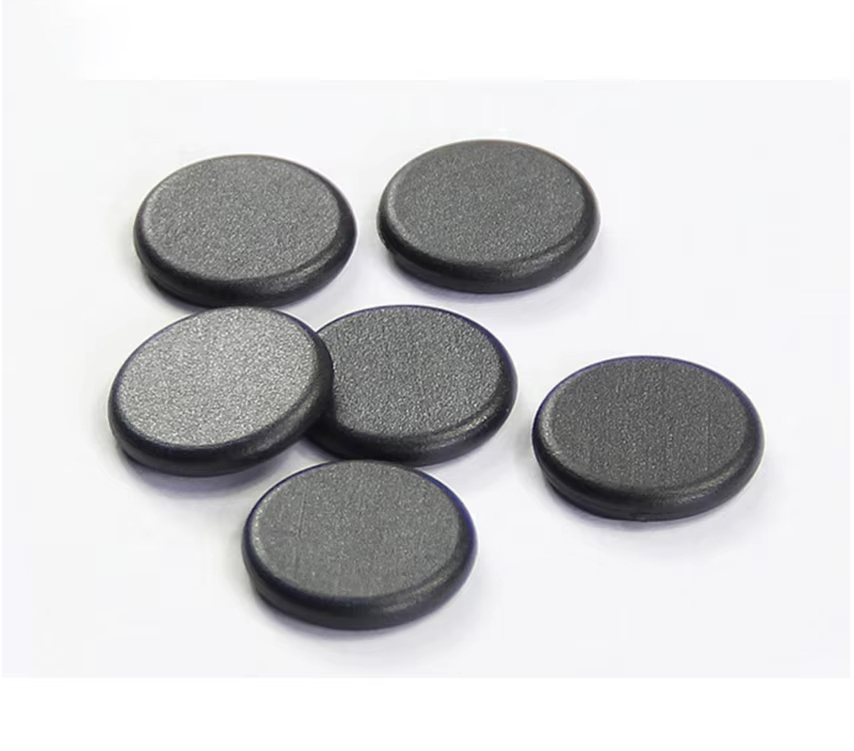 **TIANJUN RFID Luggage Tag Model TJ-RFID-LT2023:**
- Operating Frequency: 860-960 MHz UHF
- Chip Type: Impinj Monza R6
- Memory Capacity: 96-bit EPC + 512-bit user memory
- Read Range: Up to 8 meters
**TIANJUN RFID Luggage Tag Model TJ-RFID-LT2023:**
- Operating Frequency: 860-960 MHz UHF
- Chip Type: Impinj Monza R6
- Memory Capacity: 96-bit EPC + 512-bit user memory
- Read Range: Up to 8 meters
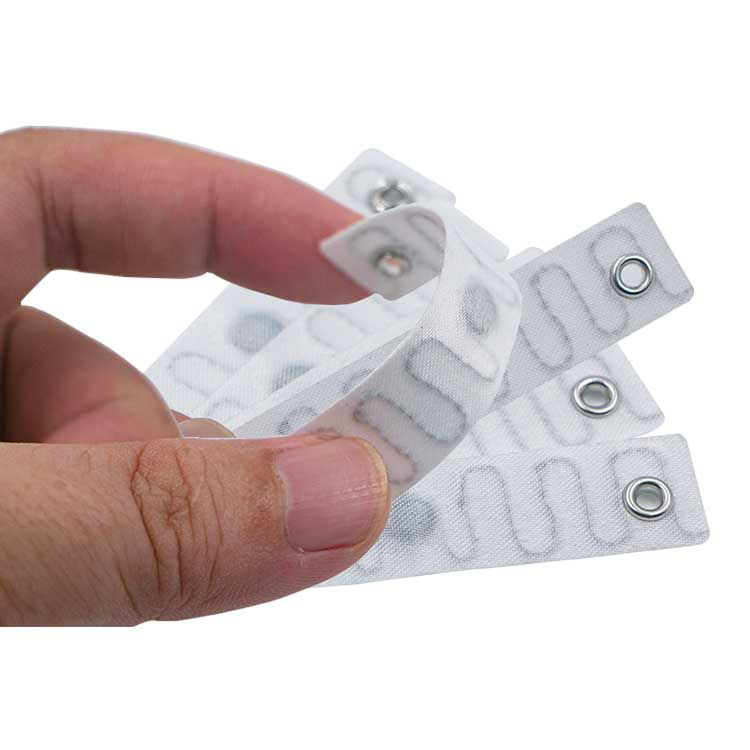 - Dimensions: 85mm × 54mm × 2mm
- Operating Temperature: -25°C to +70°C
- Data Retention: 10 years
- Write Cycles: 100,000 times
*Note: These technical parameters are reference data. For exact specifications, please contact backend management.*
## NFC-Enabled Smart Luggage Labels
NFC (Near Field Communication) luggage labels offer another layer of functionality for travelers. These labels work at shorter ranges but enable interaction with smartphones. My technical background in mobile applications allowed me to develop a prototype NFC luggage tag that could d
- Dimensions: 85mm × 54mm × 2mm
- Operating Temperature: -25°C to +70°C
- Data Retention: 10 years
- Write Cycles: 100,000 times
*Note: These technical parameters are reference data. For exact specifications, please contact backend management.*
## NFC-Enabled Smart Luggage Labels
NFC (Near Field Communication) luggage labels offer another layer of functionality for travelers. These labels work at shorter ranges but enable interaction with smartphones. My technical background in mobile applications allowed me to develop a prototype NFC luggage tag that could d