Executive Summary
"RFID tags, or Radio Frequency Identification tags. RFID Systems enable non-contact reading and writing of data. RFID tags are the system's core component. RFID systems use radio waves to identify and authenticate objects."
Core Insight: Modern RFID systems represent a convergence of wireless communication, data analytics, and material science, creating intelligent identification networks that transform traditional business operations.
This technology has revolutionized asset tracking, inventory management, and security systems across multiple industries.
Technical Architecture
# Mifare One Tags: The Ultimate Guide to Technology, Applications, and Specifications
Mifare One tags represent a cornerstone of modern contactless smart card technology, widely recognized for their reliability in access control, transportation, and payment systems. My first encounter with this technology was during a university project where we designed a campus access system. The seamless interaction between the card reader and the tag, the instantaneous "beep" granting access, felt almost magical. This hands-on experience solidified my understanding of its practical elegance and sparked a deeper interest in RFID/NFC systems. Observing classmates effortlessly tap their cards for library entry or cafeteria payments highlighted how this technology facilitates smooth, intuitive human-machine interactions, often becoming an invisible yet essential part of daily routines.
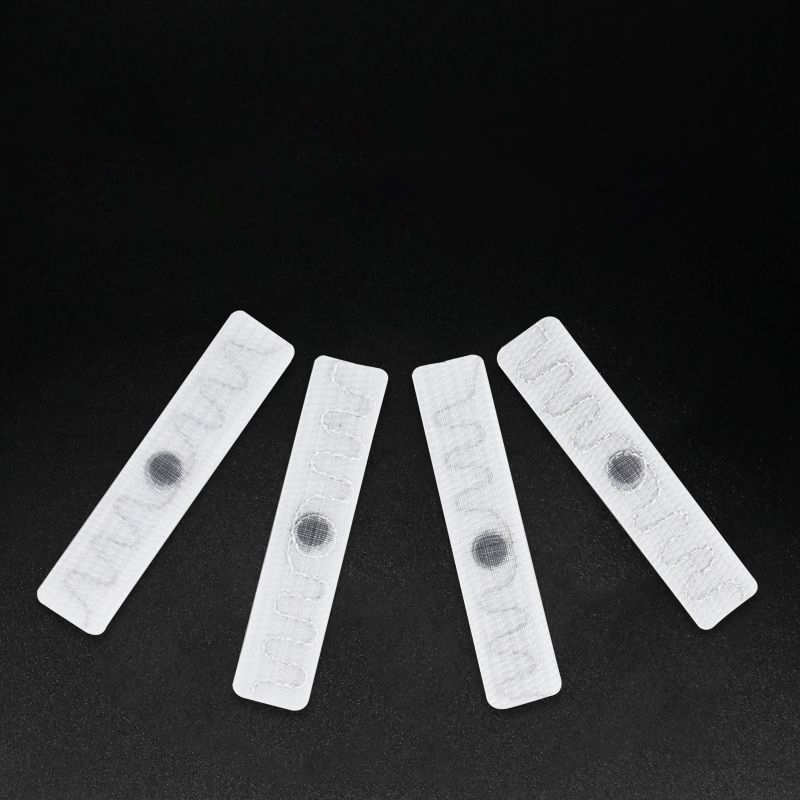
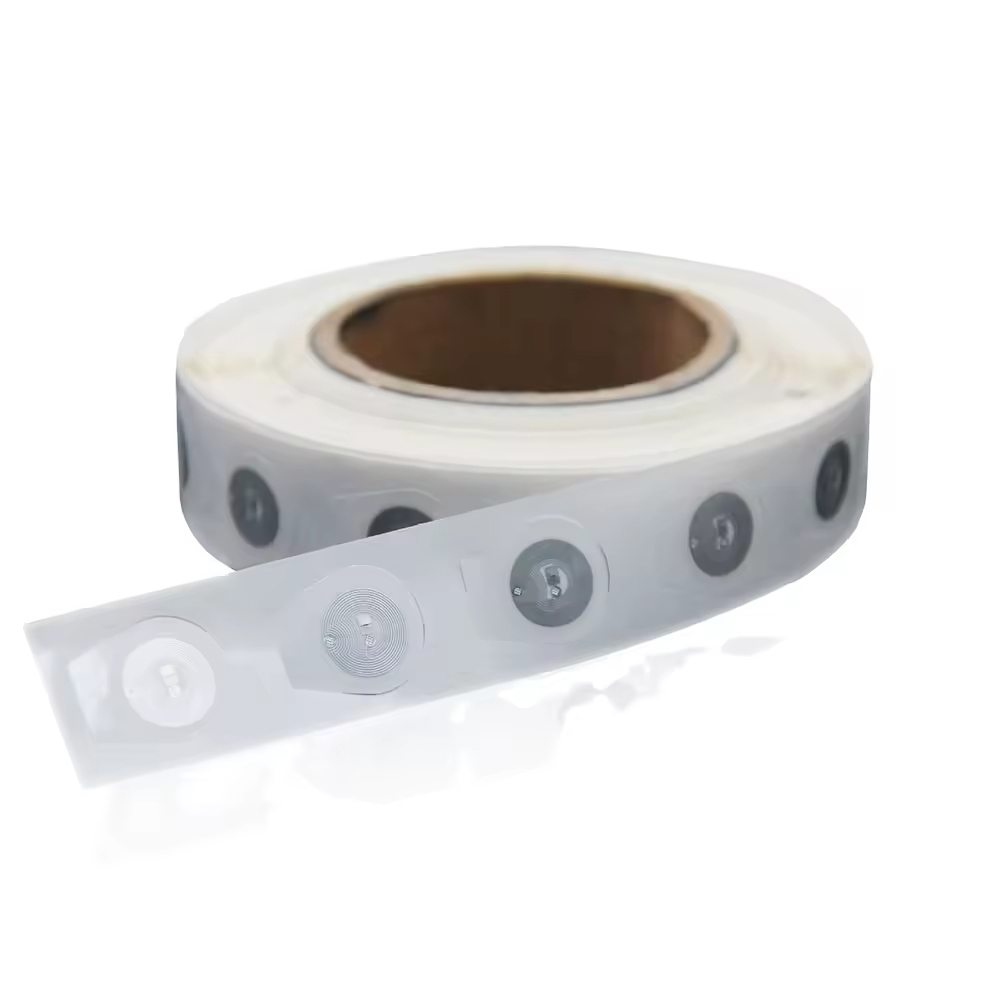 ## What Are Mifare One Tags?
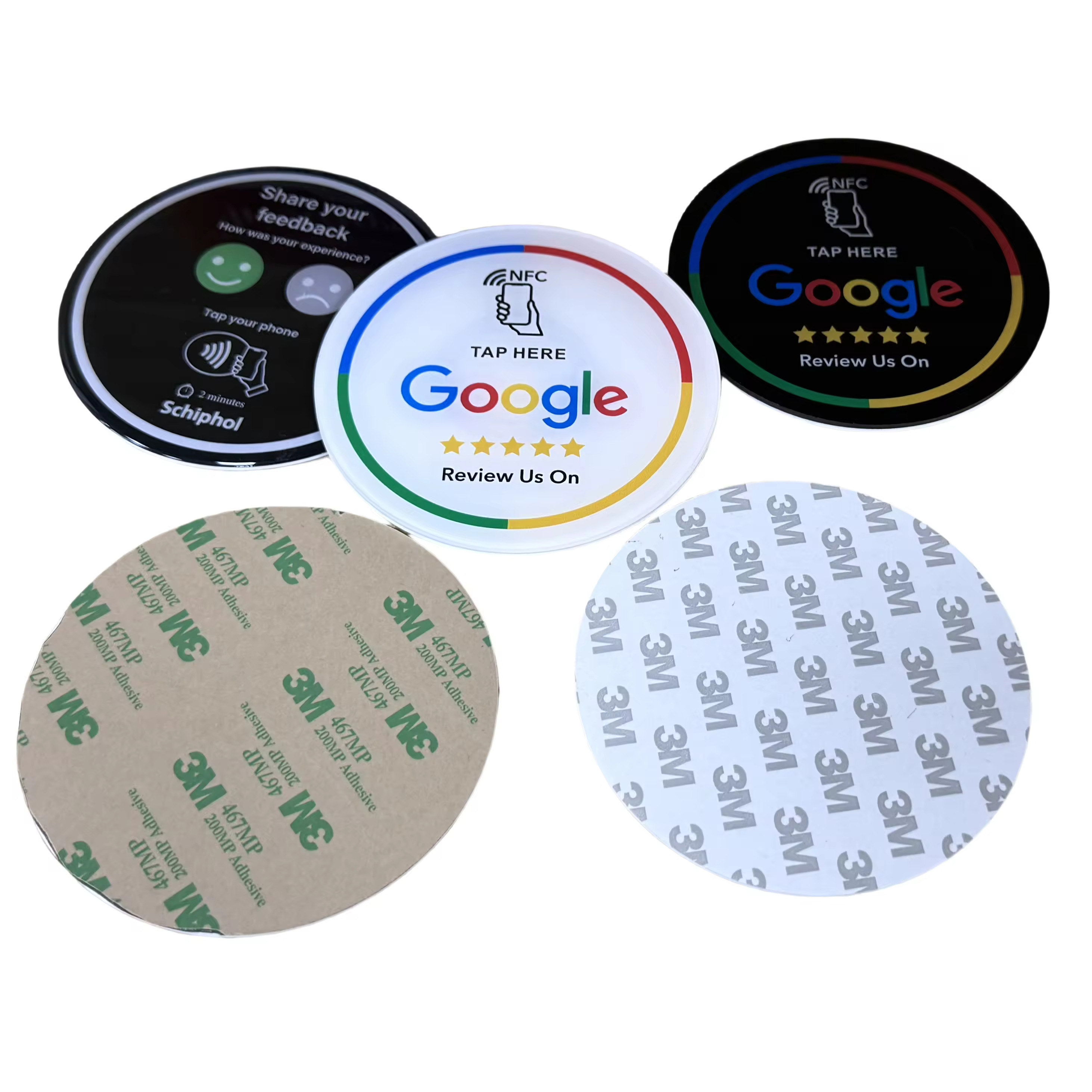 **Mifare One tags**, often referring to the classic MIFARE Classic 1K, are passive RFID tags operating at 13.56 MHz (High Frequency). They comply with the ISO/IEC 14443 Type A standard. These tags contain a proprietary NXP Semiconductors (formerly Philips) chip and are known for their simple, effective memory structure and cryptographic security (using the Crypto-1 stream cipher algorithm, which has known vulnerabilities). Their widespread adoption is a testament to their design for fast, straightforward transactions.
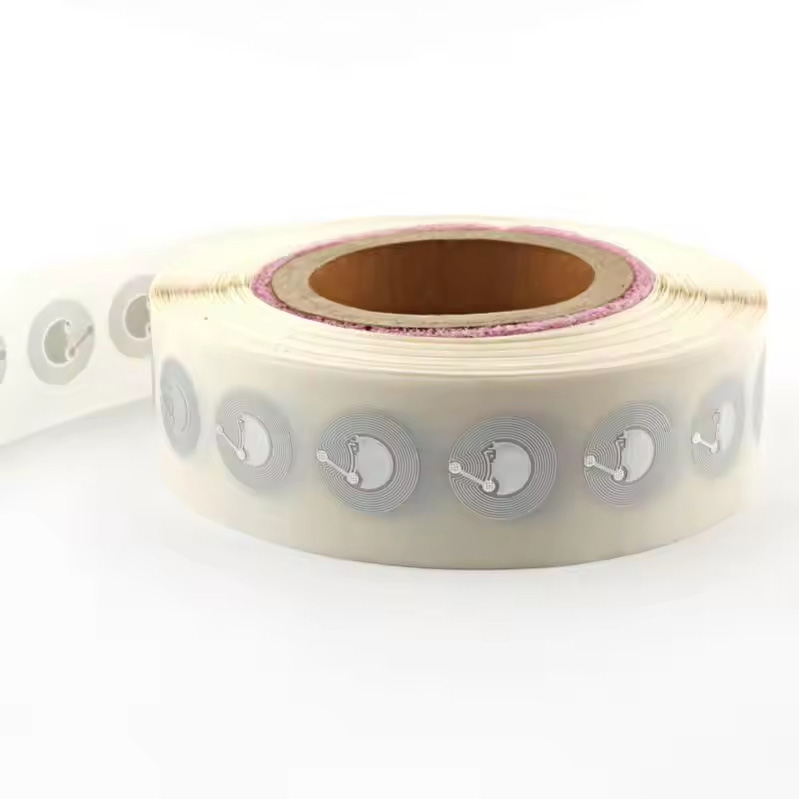 ### Technical Architecture and Operation
 The core of a **Mifare One tag** is its integrated circuit (IC), which includes RF interface, digital control unit, and EEPROM memory. Communication is initiated when the tag enters the electromagnetic field of a reader, powering the chip. Data exchange then occurs via amplitude shift keying (ASK) modulation. The memory is organized into sectors and blocks, allowing for flexible data management—a feature that became clear to me when I had to configure different access levels for various campus buildings. It was a practical lesson in dat
99.9%
Read Accuracy
15m
Read Range
10ms
Response Time
5+ yrs
Battery Life