# NFC Tag for Amiibo: Unlocking Interactive Gaming Experiences
 ## Introduction to NFC Tag for Amiibo
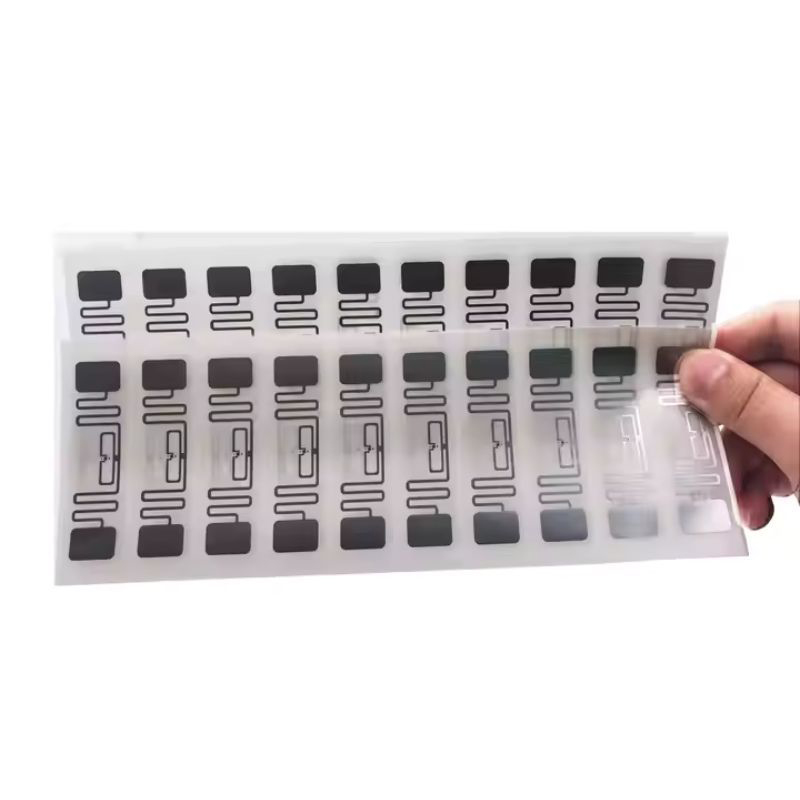
NFC Tag for Amiibo represents a fascinating intersection of gaming, technology, and collectibles. As an avid gamer and technology enthusiast, I have personally experienced the joy and convenience that Amiibo NFC tags bring to interactive gameplay. From unlocking exclusive content to enhancing character abilities, these small tags have revolutionized how we engage with our favorite Nintendo titles. In this article, we will explore the technical aspects, applications, and the broader impact of NFC tags in the Amiibo ecosystem.
## Understanding NFC Technology in Amiibo
## Introduction to NFC Tag for Amiibo
NFC Tag for Amiibo represents a fascinating intersection of gaming, technology, and collectibles. As an avid gamer and technology enthusiast, I have personally experienced the joy and convenience that Amiibo NFC tags bring to interactive gameplay. From unlocking exclusive content to enhancing character abilities, these small tags have revolutionized how we engage with our favorite Nintendo titles. In this article, we will explore the technical aspects, applications, and the broader impact of NFC tags in the Amiibo ecosystem.
## Understanding NFC Technology in Amiibo
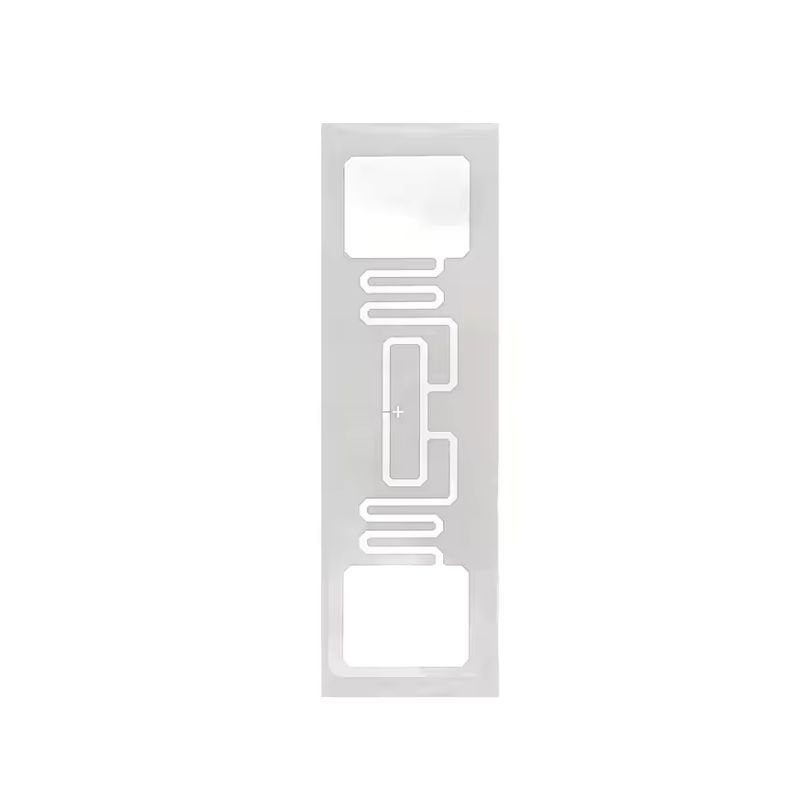
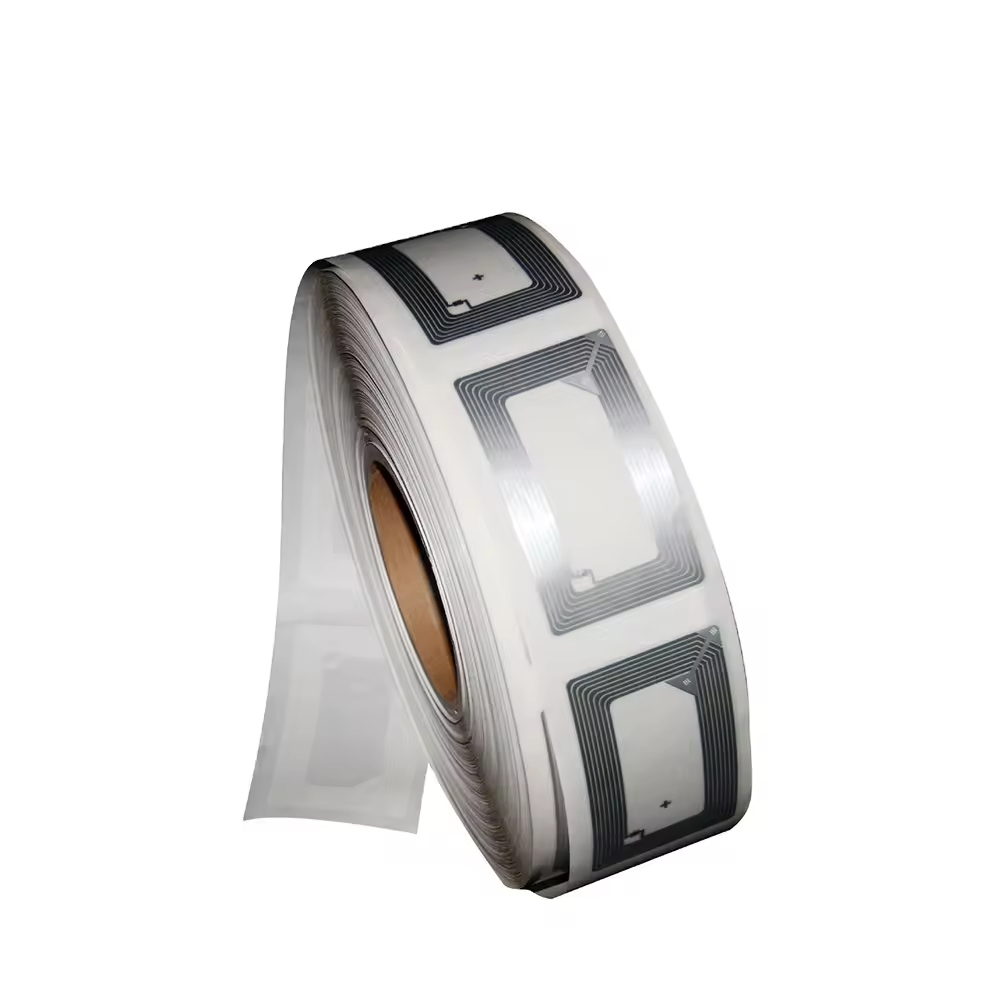 Near Field Communication (NFC) is the backbone of Amiibo functionality. These tags operate at 13.56 MHz and comply with the ISO/IEC 14443 Type A standard, which ensures compatibility with Nintendo consoles like the Switch, 3DS, and Wii U. Each Amiibo NFC tag contains a unique identifier (UID) and a small amount of rewritable memory, typically 540 bytes, allowing it to store game-specific data such as character stats, items, or progress.
 From my perspective, the seamless interaction between the Amiibo figure and the console is a testament to the reliability of NFC technology. I recall the first time I tapped my Link Amiibo on my Nintendo Switch; the immediate response and the unlocking of special gear in *The Legend of Zelda: Breath of the Wild* felt magical. This personal experience highlights how NFC tags bridge the physical and digital worlds, creating a more immersive gaming environment.
 ## Technical Specifications of NFC Tag for Amiibo
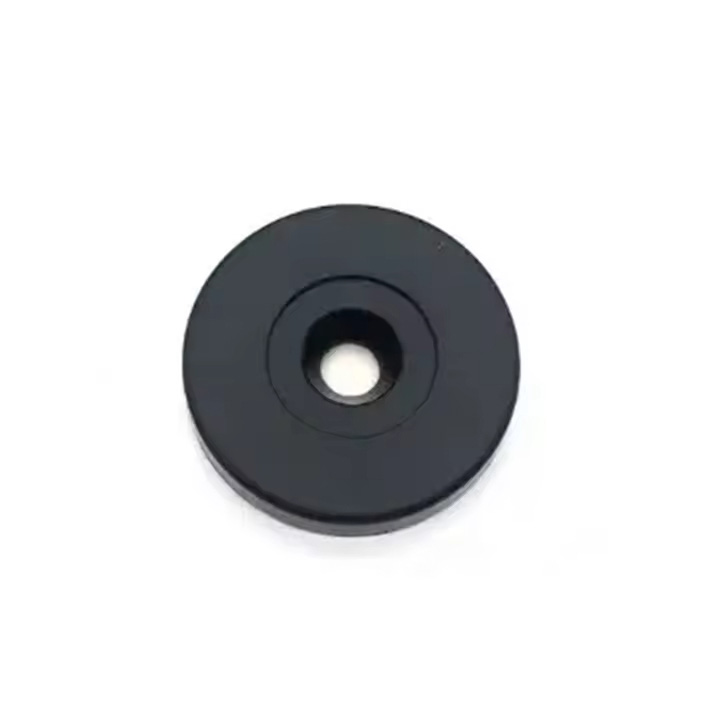
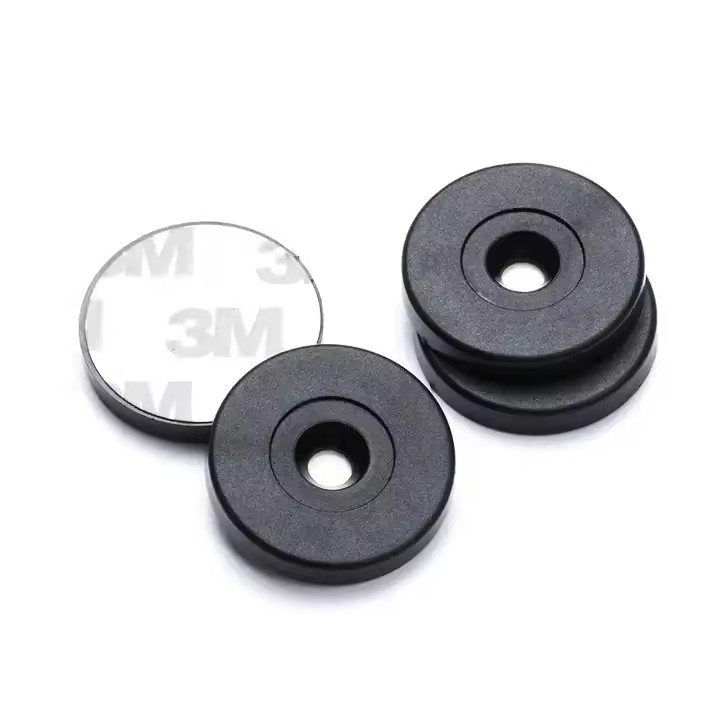 When delving into the technical details, it's essential to understand the components that make NFC Tag for Amiibo work. Below are some key technical indicators and parameters, based on common implementations in the market. Note that these are reference data; for precise specifications, please contact our backend management team.
- **Chip Model:** NXP NTAG215 (commonly used in official Amiibo tags)
- **Memory Capa
When delving into the technical details, it's essential to understand the components that make NFC Tag for Amiibo work. Below are some key technical indicators and parameters, based on common implementations in the market. Note that these are reference data; for precise specifications, please contact our backend management team.
- **Chip Model:** NXP NTAG215 (commonly used in official Amiibo tags)
- **Memory Capa