# RFID Barcode Labels: Revolutionizing Inventory and Asset Management
## Introduction to RFID Barcode Labels
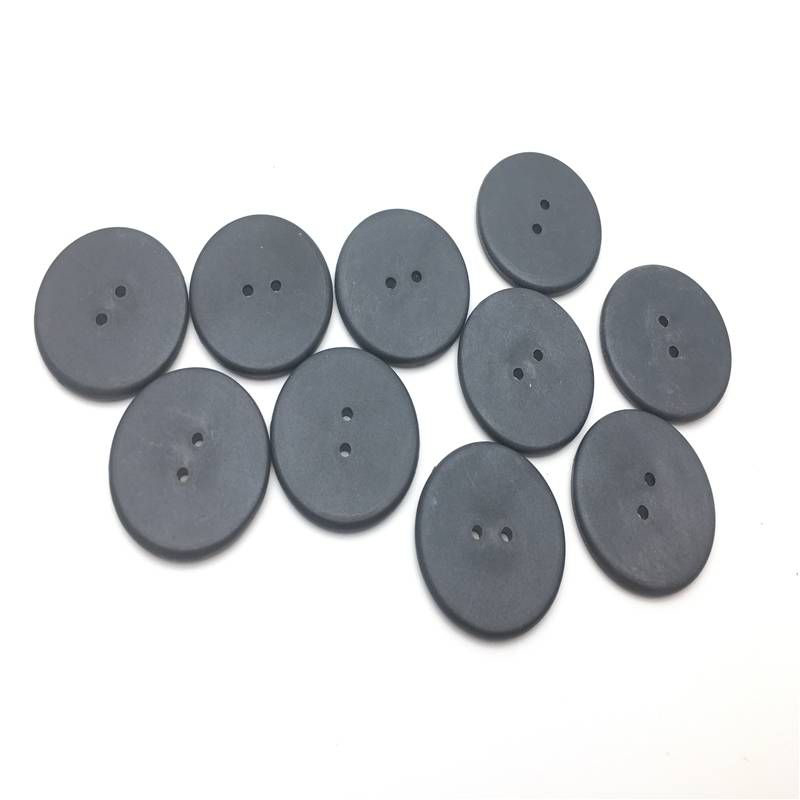 In the evolving landscape of **RFID barcode labels**, I recall my first encounter with this hybrid technology during a warehouse optimization project a few years ago. The client was struggling with inventory discrepancies that traditional barcodes couldn't resolve efficiently. When we implemented **RFID barcode labels**, the transformation was remarkable—not just in accuracy, but in the sheer speed of operations. This personal experience solidified my belief in the power of combining these two identification technologies. The way these labels communicate data without direct line-of-sight still feels like a minor technological miracle every time I witness it in action.
## Technical Specifications and Parameters
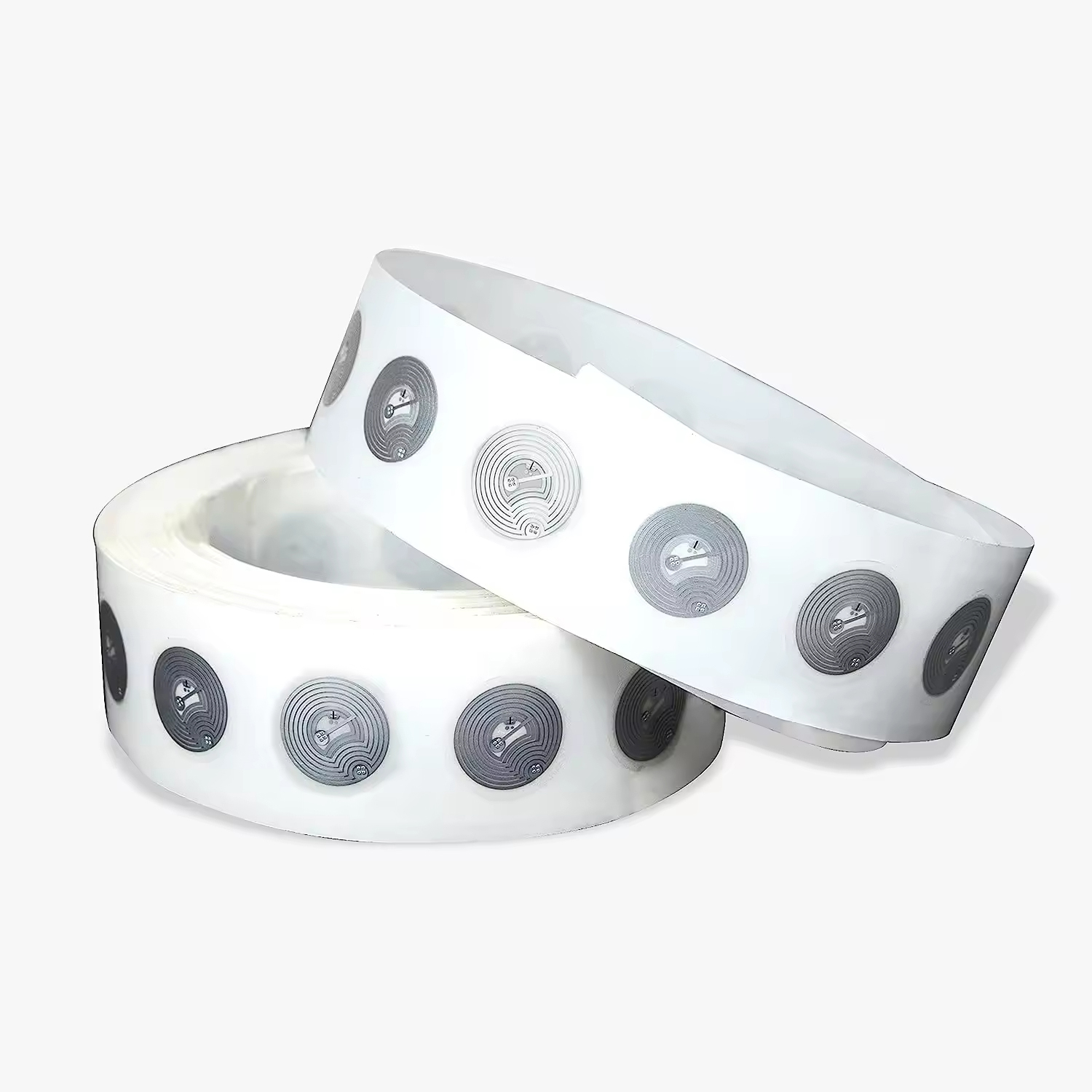
For those considering implementation, understanding the technical foundation is crucial. **RFID barcode labels** typically incorporate both visual barcode elements and embedded RFID inlays. Here are detailed technical parameters for a standard UHF RFID label:
**Physical Dimensions:** 100mm × 50mm × 0.3mm (standard size, customizable)
In the evolving landscape of **RFID barcode labels**, I recall my first encounter with this hybrid technology during a warehouse optimization project a few years ago. The client was struggling with inventory discrepancies that traditional barcodes couldn't resolve efficiently. When we implemented **RFID barcode labels**, the transformation was remarkable—not just in accuracy, but in the sheer speed of operations. This personal experience solidified my belief in the power of combining these two identification technologies. The way these labels communicate data without direct line-of-sight still feels like a minor technological miracle every time I witness it in action.
## Technical Specifications and Parameters
For those considering implementation, understanding the technical foundation is crucial. **RFID barcode labels** typically incorporate both visual barcode elements and embedded RFID inlays. Here are detailed technical parameters for a standard UHF RFID label:
**Physical Dimensions:** 100mm × 50mm × 0.3mm (standard size, customizable)
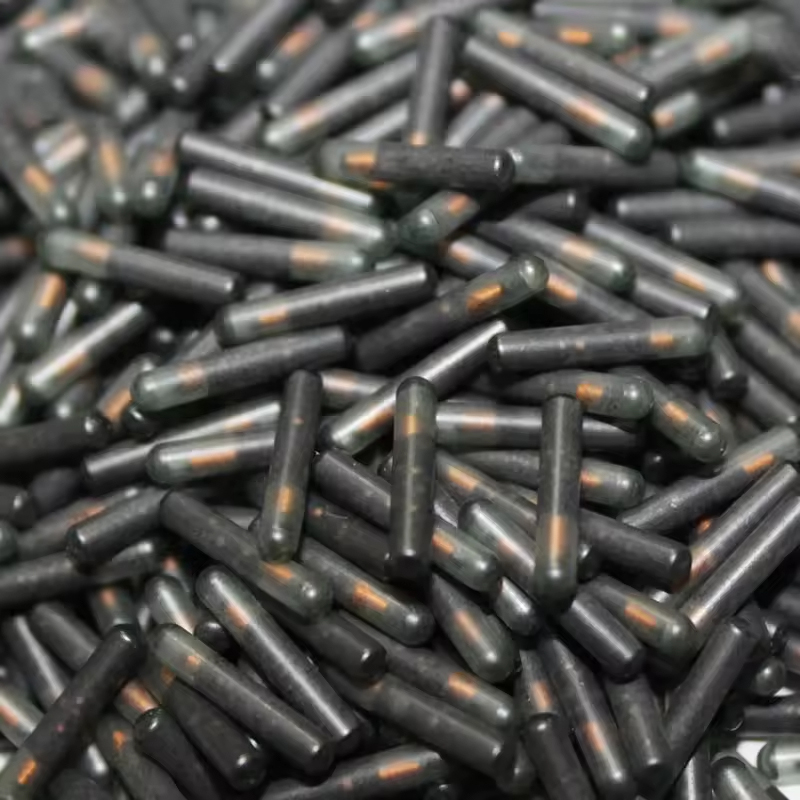 **RFID Chip:** Impinj Monza R6-P (RAIN RFID compliant)
**Memory Capacity:** 96-bit EPC + 64-bit TID + 32-bit user memory
**Operating Frequency:** 860-960 MHz (UHF)
**Read Range:** Up to 10 meters (dependent on reader and environment)
**Barcode Type:** Code 128, Data Matrix, or QR Code (laser-printable surface)
**Adhesive:** Permanent acrylic-based (peel strength: 2.5 N/cm)
**Temperature Range:** -40°C to +85°C
**RFID Chip:** Impinj Monza R6-P (RAIN RFID compliant)
**Memory Capacity:** 96-bit EPC + 64-bit TID + 32-bit user memory
**Operating Frequency:** 860-960 MHz (UHF)
**Read Range:** Up to 10 meters (dependent on reader and environment)
**Barcode Type:** Code 128, Data Matrix, or QR Code (laser-printable surface)
**Adhesive:** Permanent acrylic-based (peel strength: 2.5 N/cm)
**Temperature Range:** -40°C to +85°C
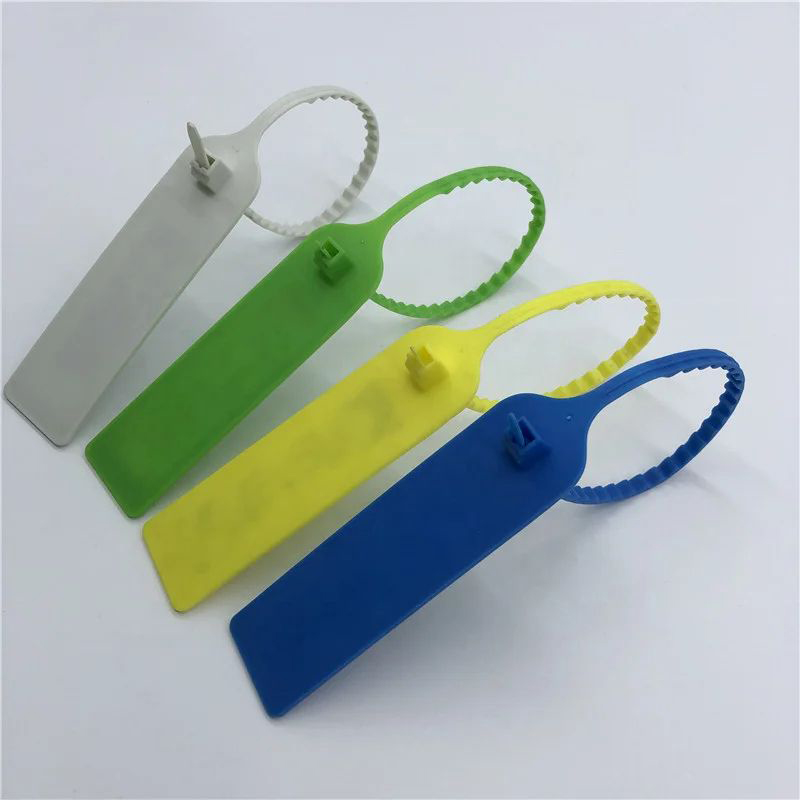 **Environmental Resistance:** IP67 rated for dust and water resistance
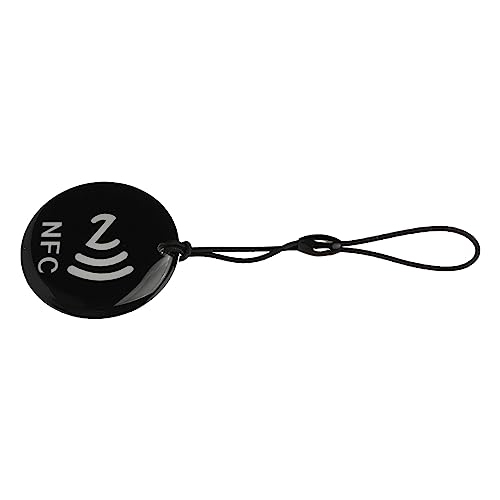 *Note: These technical parameters are reference data. Specific requirements should be discussed with our backend management team for customized solutions.*
 ## The Dual-Functionality Advantage
What makes **RFID barcode labels** particularly fascinating is their dual-functionality. From my perspective, this isn't just a technological combination but a philosophical approach to data capture—maintaining backward compatibility while embracing advanced capabilities. I've observed numerous operations where staff gradually transitioned from scanning barcodes to bulk-reading RFID tags, with the barcode serving as a reliable fallback during the learning period. This transitional benefit is often u
## The Dual-Functionality Advantage
What makes **RFID barcode labels** particularly fascinating is their dual-functionality. From my perspective, this isn't just a technological combination but a philosophical approach to data capture—maintaining backward compatibility while embracing advanced capabilities. I've observed numerous operations where staff gradually transitioned from scanning barcodes to bulk-reading RFID tags, with the barcode serving as a reliable fallback during the learning period. This transitional benefit is often u