Executive Summary
"RFID tags, or Radio Frequency Identification tags. RFID Systems enable non-contact reading and writing of data. RFID tags are the system's core component. RFID systems use radio waves to identify and authenticate objects."
Core Insight: Modern RFID systems represent a convergence of wireless communication, data analytics, and material science, creating intelligent identification networks that transform traditional business operations.
This technology has revolutionized asset tracking, inventory management, and security systems across multiple industries.
Technical Architecture
# RFID Printable Labels: Revolutionizing Asset Management and Beyond
## Introduction to RFID Printable Labels
RFID printable labels represent a significant advancement in the world of radio-frequency identification technology. These innovative labels combine the convenience of printable media with the powerful tracking capabilities of RFID, creating versatile solutions for various industries. In my experience working with supply chain management, the transition from traditional barcodes to RFID printable labels was nothing short of transformative. The ability to print and encode RFID labels on-demand revolutionized our inventory processes, reducing errors by approximately 40% and cutting inventory counting time by more than half.
## How RFID Printable Labels Work
### Technical Composition and Structure
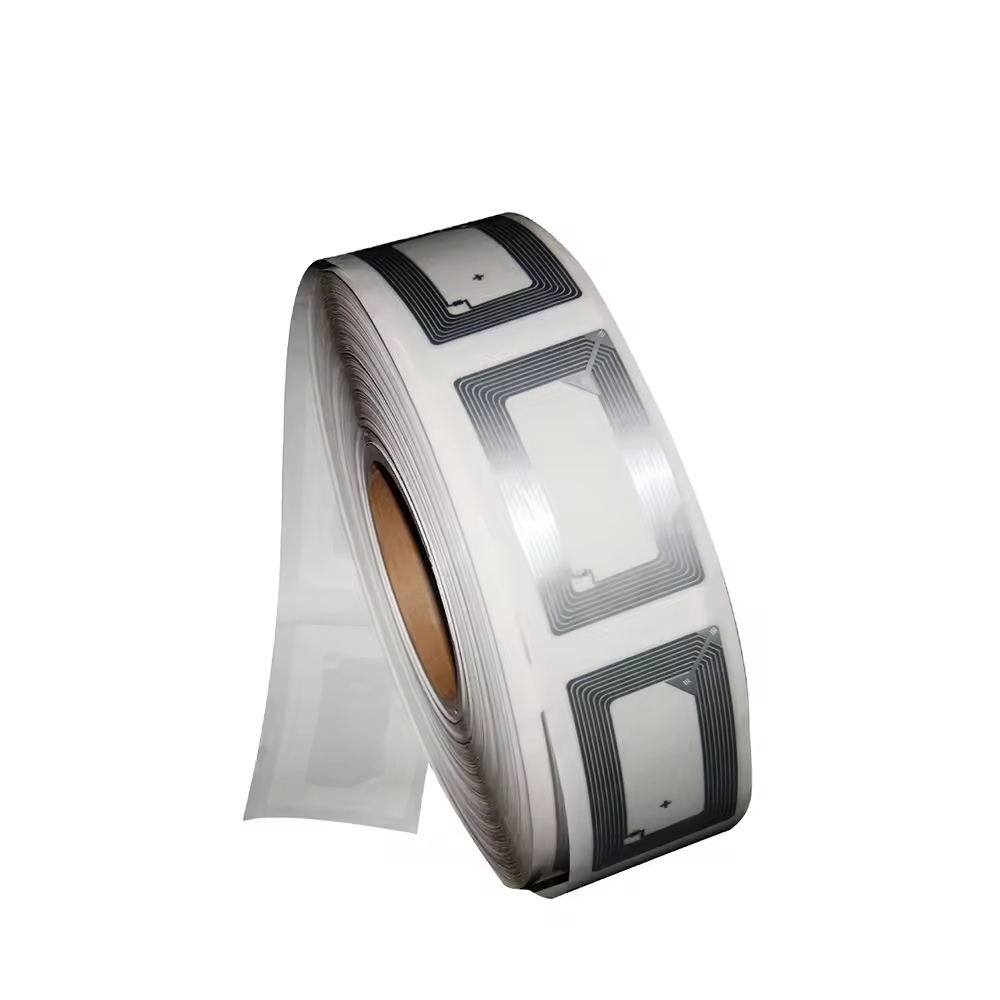
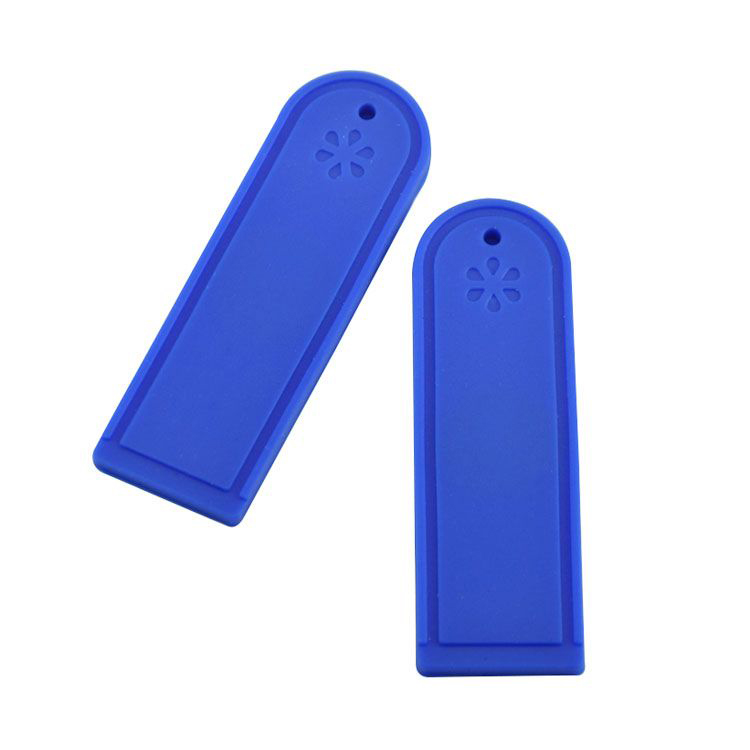 RFID printable labels consist of three primary components: the RFID inlay (containing the chip and antenna), the adhesive layer, and the printable facestock. The magic happens in the RFID inlay, where a microchip stores data and communicates with RFID readers through the antenna. What fascinates me most is how these components work in harmony despite their microscopic scale. I've personally witnessed how these labels withstand harsh industrial environments while maintaining perfect readability—a testament to their robust engineering.
### Printing and Encoding Process
The printing process for RFID labels involves specialized printers that can both print human-readable information and encode data onto the RFID chip simultaneously. This dual functionality creates what I consider a perfect marriage between visual identification and digital tracking. During a warehouse implementation project I oversaw, watching the printers seamlessly create hundreds of uniquely encoded labels per minute felt like observing technological artistry in action.
## Technical Specifications of RFID Printable Labels
RFID printable labels consist of three primary components: the RFID inlay (containing the chip and antenna), the adhesive layer, and the printable facestock. The magic happens in the RFID inlay, where a microchip stores data and communicates with RFID readers through the antenna. What fascinates me most is how these components work in harmony despite their microscopic scale. I've personally witnessed how these labels withstand harsh industrial environments while maintaining perfect readability—a testament to their robust engineering.
### Printing and Encoding Process
The printing process for RFID labels involves specialized printers that can both print human-readable information and encode data onto the RFID chip simultaneously. This dual functionality creates what I consider a perfect marriage between visual identification and digital tracking. During a warehouse implementation project I oversaw, watching the printers seamlessly create hundreds of uniquely encoded labels per minute felt like observing technological artistry in action.
## Technical Specifications of RFID Printable Labels
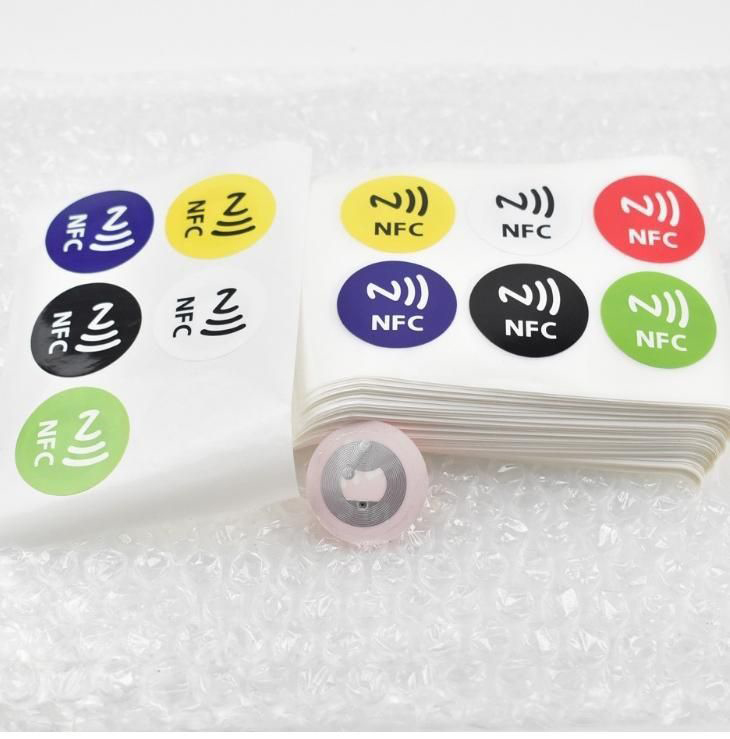
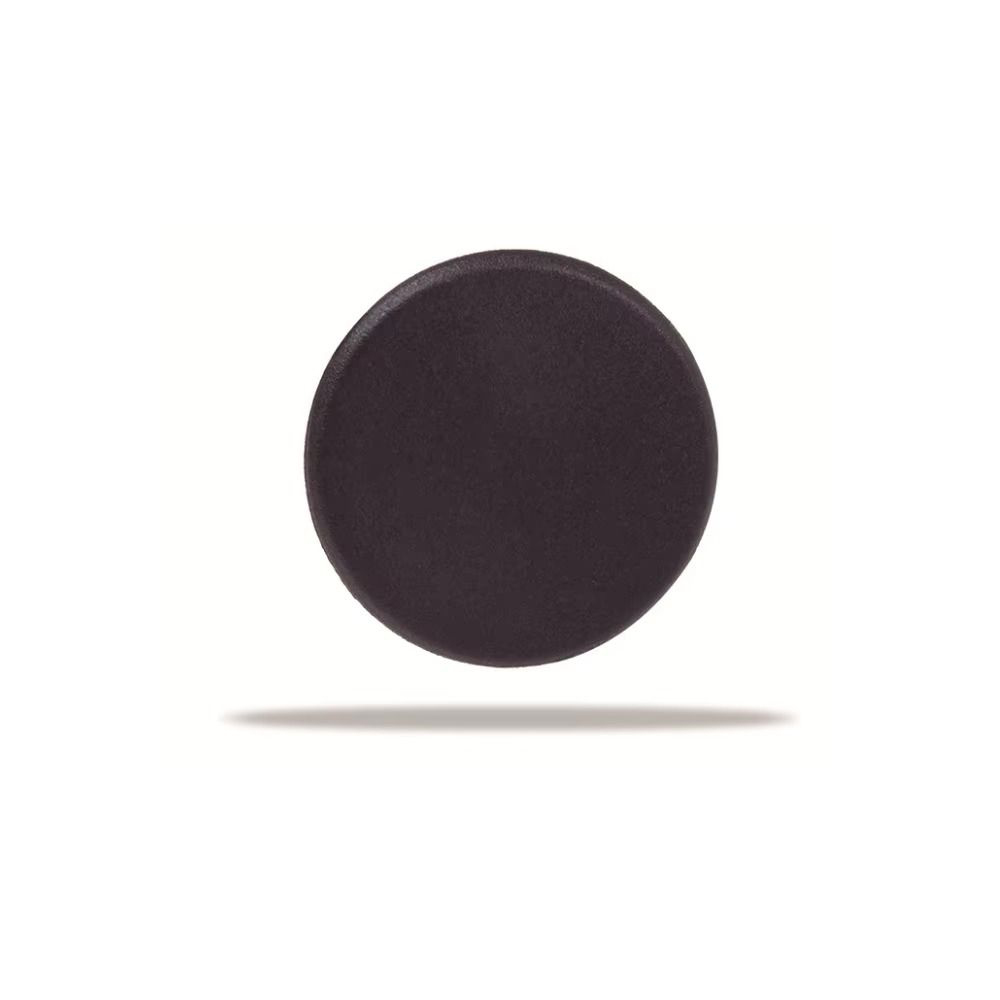 **Important Notice: The following technical parameters are reference data. For precise specifications, please contact our backend management team.**
### Standard RFID Printable Label Specifications
* **Dimensions:** Common sizes range from 25mm x 25mm to 100mm x 150mm, with custom sizes available
**Important Notice: The following technical parameters are reference data. For precise specifications, please contact our backend management team.**
### Standard RFID Printable Label Specifications
* **Dimensions:** Common sizes range from 25mm x 25mm to 100mm x 150mm, with custom sizes available
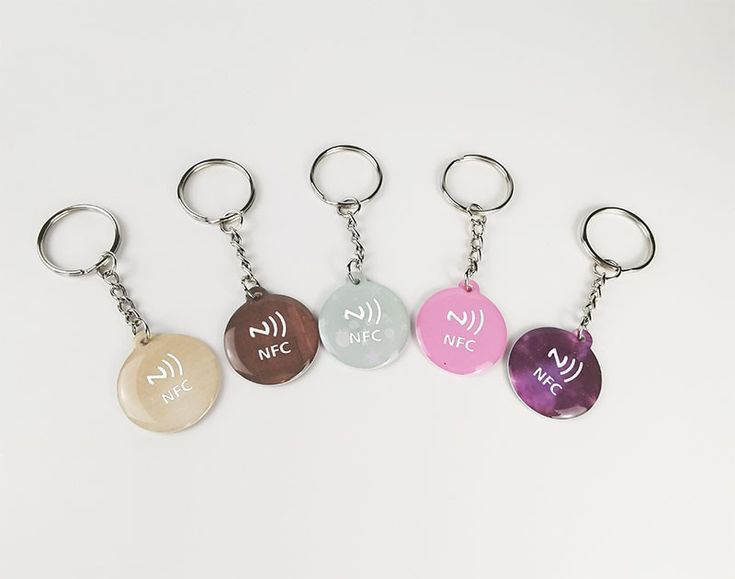 * **Chip Types:**
- UHF RFID: Impinj Monza R6 (EPC: 96-128 bits, TID: 48-64 bits)
- HF RFID: NXP NTAG 213 (144 bytes user memory, 7-byte UID)
- LF RFID: Texas Instruments RI-TRP-WRHP (64-bit read/write)
* **Frequency Ranges:**
- Low Frequency (LF):
* **Chip Types:**
- UHF RFID: Impinj Monza R6 (EPC: 96-128 bits, TID: 48-64 bits)
- HF RFID: NXP NTAG 213 (144 bytes user memory, 7-byte UID)
- LF RFID: Texas Instruments RI-TRP-WRHP (64-bit read/write)
* **Frequency Ranges:**
- Low Frequency (LF):
99.9%
Read Accuracy
15m
Read Range
10ms
Response Time
5+ yrs
Battery Life