# Black Luggage Tags: The Ultimate Guide to RFID and NFC Integration for Travel Security and Smart Identification
## Introduction to Black Luggage Tags and Their Modern Evolution
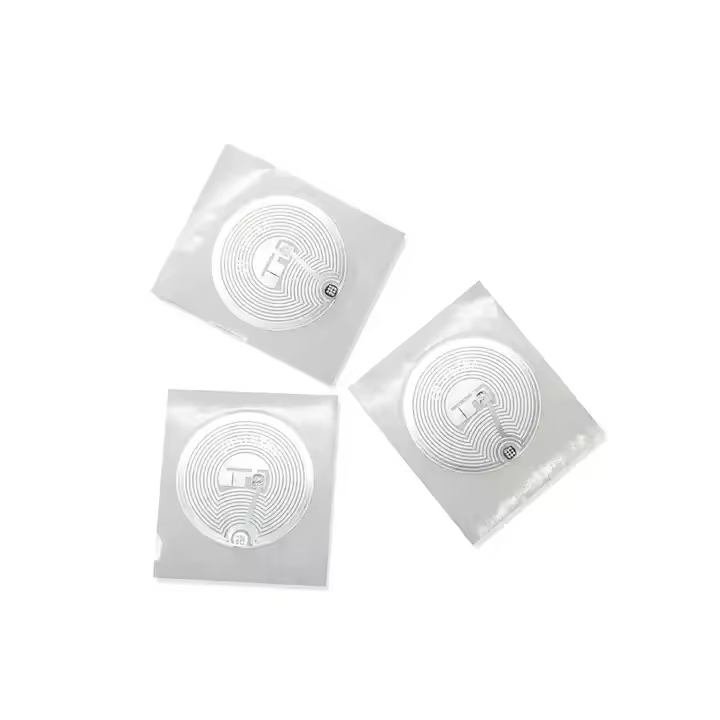 Black luggage tags have long been a staple for travelers seeking a sleek, professional, and discreet way to identify their belongings. However, in the era of smart travel and digital connectivity, these simple accessories are undergoing a transformative upgrade. By integrating **RFID** (Radio-Frequency Identification) and **NFC** (Near Field Communication) technologies, black luggage tags are no longer just for name and address display—they become powerful tools for tracking, security, and personalized travel experiences. This article explores how these technologies work, their practical applications, and how you can leverage them to enhance your travel efficiency and peace of mind.
## What Are RFID and NFC Technologies in Black Luggage Tags?
### Understanding RFID in Black Luggage Tags
Black luggage tags have long been a staple for travelers seeking a sleek, professional, and discreet way to identify their belongings. However, in the era of smart travel and digital connectivity, these simple accessories are undergoing a transformative upgrade. By integrating **RFID** (Radio-Frequency Identification) and **NFC** (Near Field Communication) technologies, black luggage tags are no longer just for name and address display—they become powerful tools for tracking, security, and personalized travel experiences. This article explores how these technologies work, their practical applications, and how you can leverage them to enhance your travel efficiency and peace of mind.
## What Are RFID and NFC Technologies in Black Luggage Tags?
### Understanding RFID in Black Luggage Tags
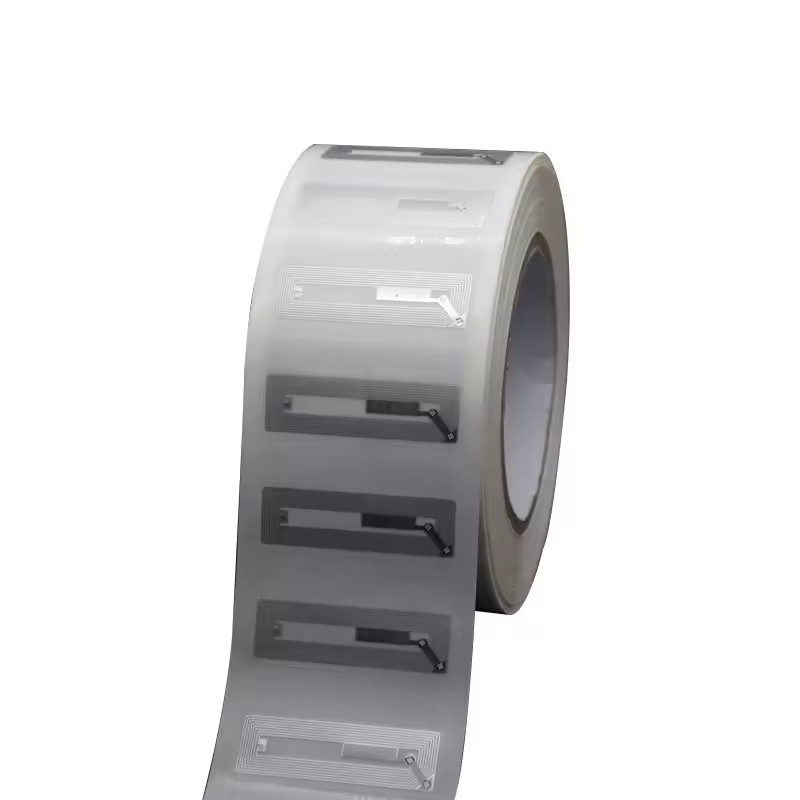 **RFID** stands for Radio-Frequency Identification, a technology that uses electromagnetic fields to automatically identify and track tags attached to objects. In the context of black luggage tags, an RFID chip embedded within the tag stores data such as a unique identifier, owner contact information, or flight details. This data can be read by RFID readers at airports, hotels, or baggage handling systems without requiring direct line-of-sight contact.
The typical RFID chip used in luggage tags operates at frequencies like 125 kHz (Low Frequency, LF) or 13.56 MHz (High Frequency, HF). The HF version, commonly used in smart tags, offers a read range of up to 1 meter, making it ideal for scanning luggage during check-in or security checks. For instance, a black luggage tag with an RFID chip might include a NXP MIFARE Classic 1K chip, which has 1 KB of memory and supports 48-bit unique serial numbers.
**RFID** stands for Radio-Frequency Identification, a technology that uses electromagnetic fields to automatically identify and track tags attached to objects. In the context of black luggage tags, an RFID chip embedded within the tag stores data such as a unique identifier, owner contact information, or flight details. This data can be read by RFID readers at airports, hotels, or baggage handling systems without requiring direct line-of-sight contact.
The typical RFID chip used in luggage tags operates at frequencies like 125 kHz (Low Frequency, LF) or 13.56 MHz (High Frequency, HF). The HF version, commonly used in smart tags, offers a read range of up to 1 meter, making it ideal for scanning luggage during check-in or security checks. For instance, a black luggage tag with an RFID chip might include a NXP MIFARE Classic 1K chip, which has 1 KB of memory and supports 48-bit unique serial numbers.
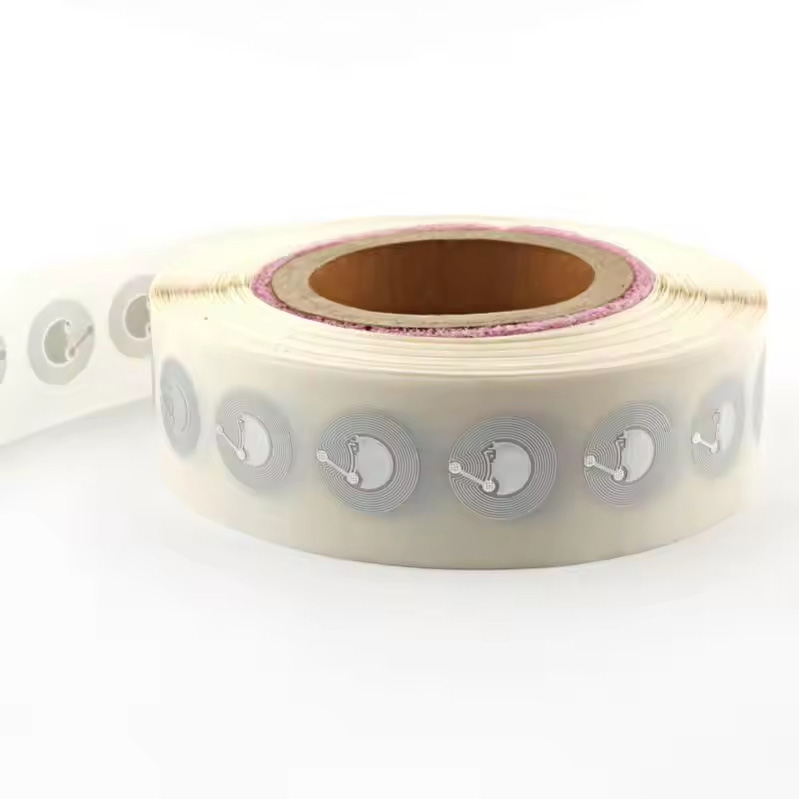
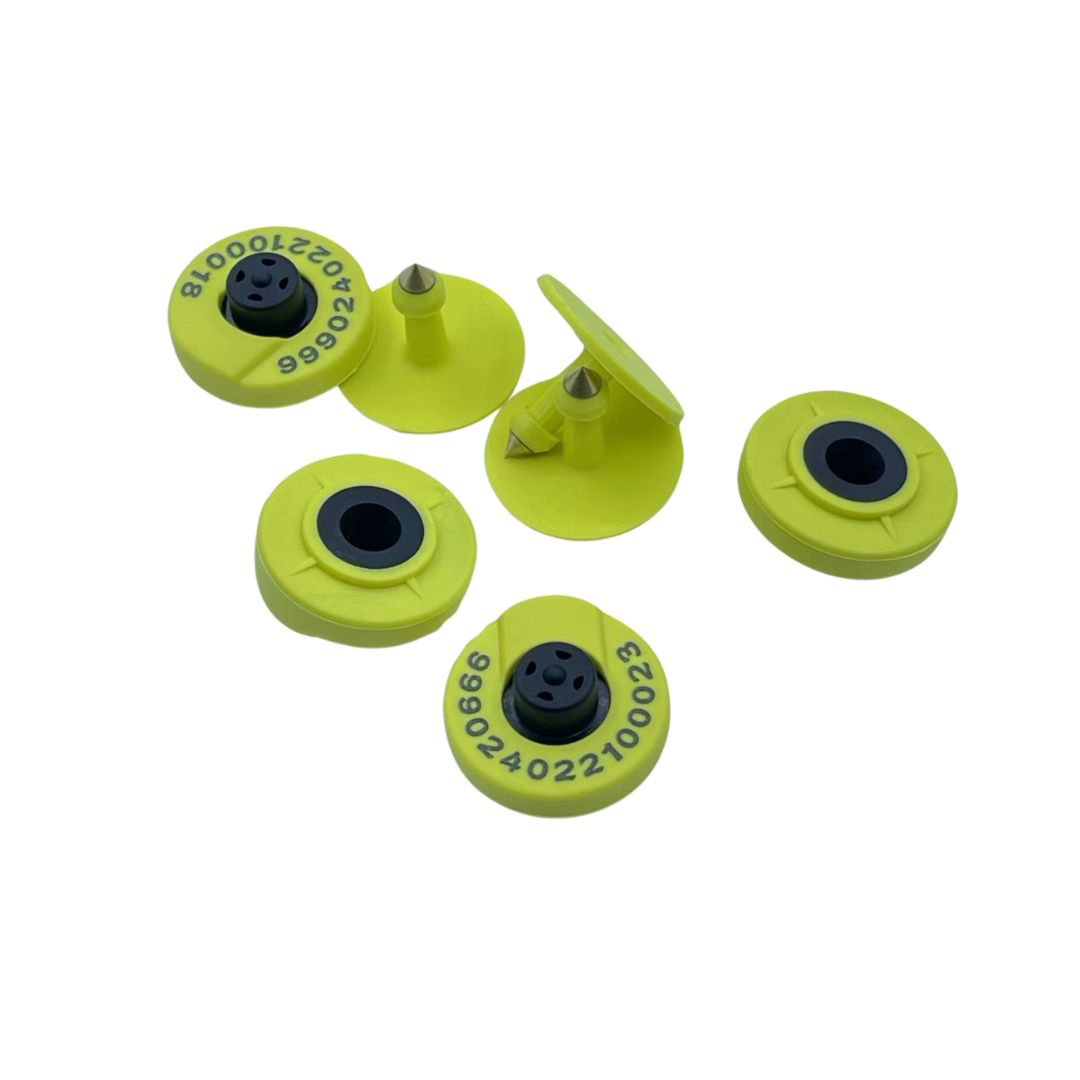 **Technical parameters for a standard RFID chip in black luggage tags:**
- **Frequency:** 13.56 MHz (HF)
- **Read range:** Up to 10 cm (typical for passive tags)
- **Memory:** 1 KB EEPROM (e.g., NXP MIFARE Classic 1K)
- **Data retention:** 10 years
- **Write endurance:** 100,000 cycles
- **Dimensions:** 25 mm x 25 mm x 0.5 mm (chip module)
**Technical parameters for a standard RFID chip in black luggage tags:**
- **Frequency:** 13.56 MHz (HF)
- **Read range:** Up to 10 cm (typical for passive tags)
- **Memory:** 1 KB EEPROM (e.g., NXP MIFARE Classic 1K)
- **Data retention:** 10 years
- **Write endurance:** 100,000 cycles
- **Dimensions:** 25 mm x 25 mm x 0.5 mm (chip module)
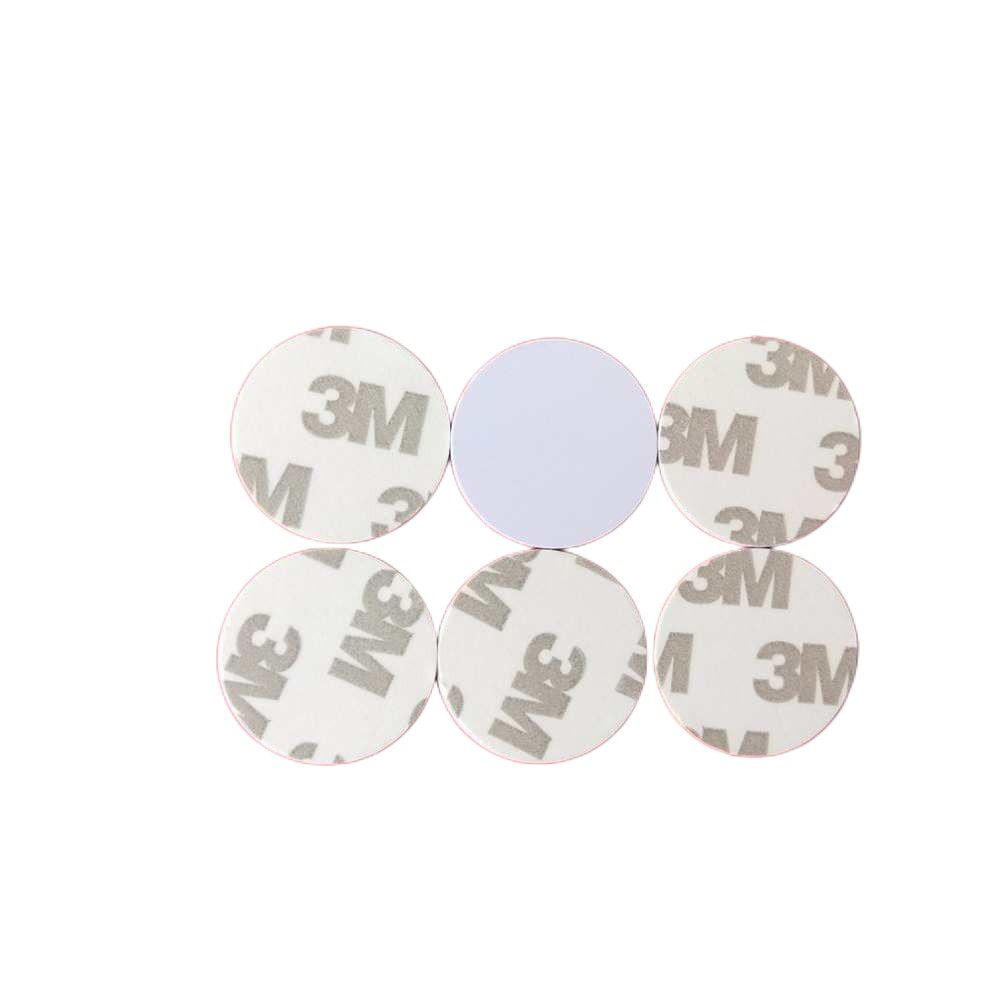 *Note: These technical parameters are for reference only.